
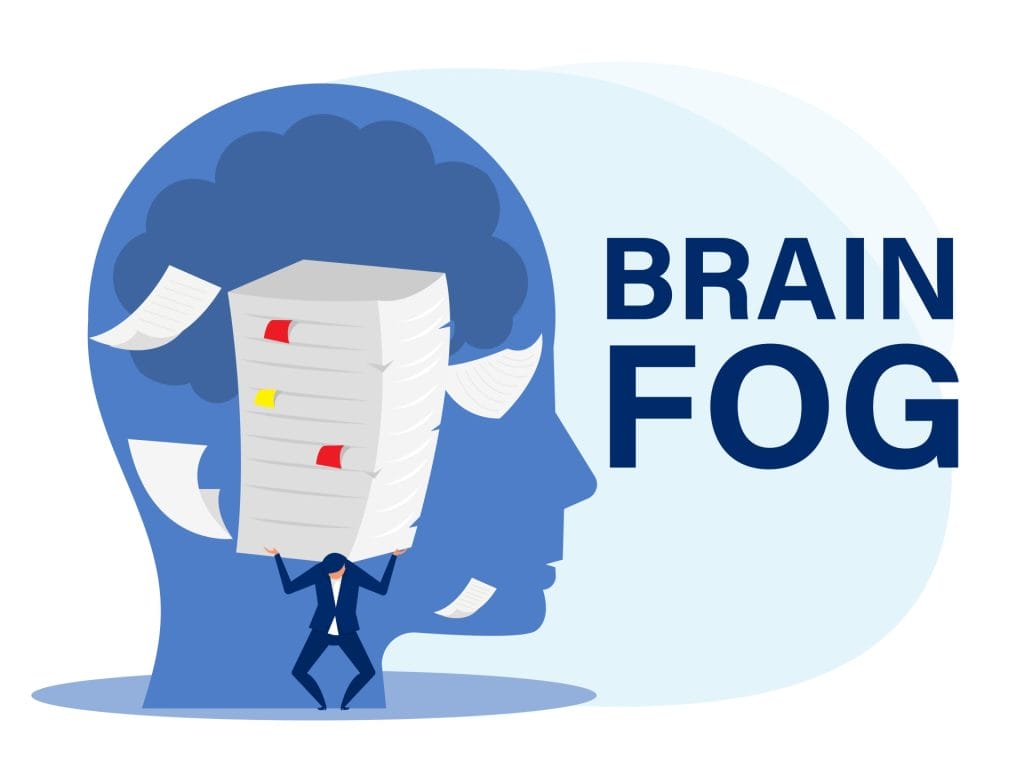
You know the feeling. You walk into a room and forget why. You read the same paragraph three times without absorbing it. Names you’ve known for years suddenly vanish mid-sentence.
Brain fog isn’t a medical diagnosis, but the experience is very real. And increasingly common. Since 2020, searches for “brain fog” have tripled, with millions of people seeking answers for that frustrating mental haze that makes everything harder than it should be.
The good news: specific vitamins and nutrients can help. Research shows that certain deficiencies directly cause cognitive symptoms, and addressing them often brings rapid improvement. This guide covers the 11 most effective vitamins and supplements for brain fog, what the science actually says, and how to know which ones you might need.
What Causes Brain Fog in the First Place?
Before reaching for supplements, understanding why brain fog happens helps you target the real problem.
Brain fog describes a cluster of symptoms: difficulty concentrating, mental fatigue, forgetfulness, and that general sense of thinking through molasses. It’s not a disease itself but rather a signal that something’s off.
Common triggers include sleep deprivation, chronic stress, hormonal changes, inflammatory conditions, and yes, nutritional deficiencies. Your brain consumes 20% of your body’s total energy despite being only 2% of your body weight. When it doesn’t get the nutrients it needs, cognitive function suffers first.
The connection between nutrition and brain function is well-established. Deficiencies in B vitamins, vitamin D, iron, and magnesium have all been linked to cognitive symptoms in research. Addressing these deficiencies often resolves the mental fog that accompanies them.
Now, let’s look at what works.
The 11 Best Vitamins and Supplements for Brain Fog
1. Vitamin B12: The Energy and Clarity Essential
If you had to pick one vitamin most closely linked to brain fog, B12 would be it.
Vitamin B12 is crucial for nerve function, red blood cell production, and energy metabolism in the brain. Without adequate B12, your body can’t produce enough healthy red blood cells to deliver oxygen to your brain. The result? Fatigue, difficulty concentrating, memory problems, and that classic foggy feeling.
What the research shows: Studies consistently link B12 deficiency to cognitive impairment. A study in the American Journal of Clinical Nutrition found that even mild B12 deficiency was associated with accelerated cognitive decline. The symptoms often appear gradually, sometimes taking years to fully manifest, which makes them easy to dismiss as “just getting older.”
Who’s at risk: Vegetarians and vegans face higher risk since B12 comes primarily from animal products. Adults over 50 often have reduced absorption. People taking acid-blocking medications like PPIs may also struggle to absorb B12.
How to take it: The recommended daily amount is 2.4 mcg for adults. Many people benefit from higher doses, particularly those with existing deficiency. Methylcobalamin is generally better absorbed than cyanocobalamin. Liquid B12 absorbs faster than pills, which matters when deficiency is severe.
2. Vitamin D: The Sunshine Vitamin Your Brain Needs
Vitamin D does far more than support bone health. Your brain has vitamin D receptors throughout its structure, and this vitamin plays a direct role in neurotransmitter synthesis and brain cell protection.
What the research shows: A review in Cureus found that vitamin D deficiency was associated with depression, cognitive decline, and dementia risk. Another study showed that vitamin D supplementation improved cognitive function in adults who were deficient. The effects were particularly notable in areas of attention and processing speed.
The deficiency problem: An estimated 42% of American adults are vitamin D deficient. If you work indoors, live in northern latitudes, have darker skin, or wear sunscreen consistently, your levels are likely suboptimal.
How to take it: The RDA is 600-800 IU, but many researchers argue this is too low for optimal brain function. Blood levels of 40-60 ng/mL are often recommended for cognitive benefits. Vitamin D3 absorbs better than D2. Taking it with fat improves absorption significantly.
3. Omega-3 Fatty Acids: Building Blocks for Brain Cells
Your brain is nearly 60% fat, and omega-3 fatty acids, particularly DHA, make up a significant portion of brain cell membranes. These essential fats support neuron structure, reduce inflammation, and facilitate communication between brain cells.
What the research shows: A study in The American Journal of Clinical Nutrition found that DHA supplementation improved memory and reaction time in healthy young adults. Research in people with mild cognitive impairment showed that omega-3 supplementation helped slow cognitive decline, particularly when started early.
Why most people are deficient: The typical Western diet is heavy in omega-6 fats and light on omega-3s. Unless you eat fatty fish several times per week, you’re probably not getting enough. The ratio of omega-6 to omega-3 in modern diets often exceeds 15:1, when the optimal ratio is closer to 4:1 or lower.
How to take it: Look for supplements providing both EPA and DHA. A combined dose of 1,000-2,000 mg daily is commonly recommended for cognitive benefits. Algae-based omega-3s offer a vegan alternative with similar benefits.
4. Magnesium: The Relaxation Mineral for Clear Thinking
Magnesium participates in over 300 enzymatic reactions in your body, including many that directly affect brain function. It regulates neurotransmitter signaling, helps manage the stress response, and supports healthy sleep, all of which influence cognitive clarity.
What the research shows: Research published in Nutrients found that magnesium supplementation improved cognitive function in older adults. Other studies show magnesium helps reduce anxiety and improve sleep quality, both of which contribute to brain fog when disrupted.
The widespread deficiency: An estimated 50% of Americans don’t get enough magnesium from their diet. Modern farming practices have depleted soil magnesium, meaning even healthy diets may fall short. Stress also depletes magnesium rapidly, creating a vicious cycle where stress causes deficiency and deficiency worsens stress symptoms.
How to take it: Magnesium glycinate and magnesium threonate are particularly well-absorbed and gentle on the stomach. Threonate specifically crosses the blood-brain barrier effectively. Doses of 200-400 mg daily are typical for cognitive support. Taking magnesium in the evening can also improve sleep quality.
5. B-Complex Vitamins: The Full Spectrum Approach
While B12 gets the most attention, all B vitamins work together to support brain function. B1 (thiamine), B6, B9 (folate), and B12 all play distinct roles in cognitive health, and deficiency in any of them can contribute to brain fog.
What the research shows: A study in Psychopharmacology found that B vitamin supplementation improved cognitive performance and reduced mental fatigue in young adults. The effects were most pronounced in attention, memory, and mood regulation.
Why a complex matters: B vitamins are interdependent. High doses of one can mask deficiency in another. Taking a balanced B-complex ensures you’re covering all bases without creating imbalances.
Key B vitamins for brain fog:
B1 (Thiamine) supports energy metabolism in brain cells. Deficiency causes confusion and memory problems.
B6 (Pyridoxine) helps produce neurotransmitters including serotonin and dopamine. Low levels are linked to depression and cognitive decline.
B9 (Folate) is essential for DNA synthesis and cell division in the brain. Deficiency impairs memory and mood. Look for methylfolate rather than folic acid for better absorption.
How to take it: Choose an activated B-complex that includes methylated forms (methylcobalamin for B12, methylfolate for B9). This matters because some people have genetic variations that impair conversion of standard forms.
6. Iron: Oxygen Delivery for Your Brain
Iron deficiency is the most common nutritional deficiency worldwide, and your brain feels it acutely. Iron is essential for hemoglobin production, which carries oxygen to your brain. Without adequate iron, brain cells don’t get the oxygen they need to function optimally.
What the research shows: Studies consistently show that iron deficiency, even without full-blown anemia, causes fatigue, poor concentration, and reduced cognitive performance. Research in women with iron deficiency showed significant improvement in cognitive function after supplementation.
Who needs more iron: Women of reproductive age, particularly those with heavy periods, face the highest risk of deficiency. Vegetarians and vegans also have higher risk since plant-based iron absorbs less efficiently. Athletes and frequent blood donors may need more as well.
A critical warning: Unlike most vitamins, iron can be toxic in excess. Never supplement iron without testing your levels first. A simple blood test can determine if you’re deficient.
How to take it: If testing confirms deficiency, iron bisglycinate is gentle on the stomach. Taking iron with vitamin C improves absorption. Avoid taking iron with calcium or coffee, which reduce absorption.
7. Vitamin C: Antioxidant Protection for Brain Cells
Vitamin C does more than support immunity. It’s a powerful antioxidant that protects brain cells from oxidative stress, and it’s essential for producing neurotransmitters that regulate mood and cognition.
What the research shows: Research published in Nutrients found that higher vitamin C intake was associated with better cognitive function across multiple domains. A study in young adults showed that vitamin C supplementation improved attention and working memory. The vitamin also helps synthesize serotonin and norepinephrine, neurotransmitters crucial for mood and alertness.
Why stress depletes it: Your adrenal glands contain some of the highest concentrations of vitamin C in your body. During stress, these glands use vitamin C rapidly to produce stress hormones. Chronic stress can significantly deplete your stores, contributing to both mental and physical fatigue.
How to take it: The RDA is 75-90 mg, but many researchers suggest higher amounts, around 500-1000 mg, for optimal cognitive benefits. Vitamin C is water-soluble, so splitting doses throughout the day maintains more consistent blood levels than a single large dose.
8. L-Theanine: Calm Focus Without the Crash
L-theanine is an amino acid found naturally in green tea. It promotes a state of relaxed alertness that’s ideal for clear thinking without the jittery edge that caffeine alone can produce.
What the research shows: A study in Nutritional Neuroscience found that L-theanine improved attention and reaction time while reducing stress responses. When combined with caffeine, L-theanine enhanced focus while smoothing out caffeine’s stimulating effects. Research also shows it increases alpha brain wave activity, associated with a calm, focused mental state.
The unique mechanism: L-theanine works by increasing GABA, serotonin, and dopamine levels while reducing excitatory neurotransmitters. This creates mental clarity without sedation, making it particularly useful for brain fog related to stress and anxiety.
How to take it: Typical doses range from 100-200 mg. Many people find 100 mg of L-theanine combined with caffeine (from coffee or tea) provides optimal focus without overstimulation. Effects typically begin within 30-60 minutes and last several hours.
9. Zinc: Essential Mineral for Memory and Learning
Zinc is concentrated in the brain’s hippocampus, the region responsible for learning and memory. It plays crucial roles in neurotransmitter function, synaptic plasticity, and cognitive development.
What the research shows: Research in the British Journal of Nutrition found that zinc supplementation improved memory and attention in young adults. Zinc deficiency has been linked to depression, cognitive decline, and impaired memory formation. Even mild deficiency can affect brain function before other symptoms appear.
Common deficiency causes: Vegetarians and vegans often have lower zinc levels since plant-based zinc absorbs less efficiently. Older adults frequently have reduced zinc absorption. Chronic stress and alcohol consumption also deplete zinc.
How to take it: The RDA is 8-11 mg, though therapeutic doses often range from 15-30 mg daily. Zinc picolinate and zinc citrate are well-absorbed forms. Taking zinc with food reduces stomach upset. Note that high-dose zinc can interfere with copper absorption, so long-term supplementation should include copper or periodic breaks.
10. Ashwagandha: Ancient Herb for Modern Brain Fog
Ashwagandha is an adaptogenic herb that’s been used in Ayurvedic medicine for thousands of years. Modern research validates its use for stress management and cognitive enhancement.
What the research shows: A randomized controlled trial found that ashwagandha root extract significantly improved memory, attention, and information processing speed compared to placebo. Participants also experienced reduced cortisol levels, the stress hormone that impairs cognitive function when chronically elevated.
How it works: Ashwagandha helps regulate the HPA axis, your body’s central stress response system. By moderating cortisol production, it reduces the cognitive impact of chronic stress. Some research also suggests it may support the growth of new nerve cells and protect existing brain cells from damage.
How to take it: Look for extracts standardized to withanolide content (the active compounds). KSM-66 and Sensoril are well-researched branded extracts. Typical doses range from 300-600 mg daily. Effects often build over several weeks of consistent use.
11. Ginkgo Biloba: Enhanced Blood Flow to the Brain
Ginkgo biloba has been used for cognitive support for centuries. It works primarily by improving blood circulation to the brain, delivering more oxygen and nutrients while removing waste products more efficiently.
What the research shows: A meta-analysis in Psychopharmacology found that ginkgo biloba improved cognitive function and activities of daily living in people with cognitive decline. Research in healthy adults has shown more modest but still positive effects on memory and mental processing speed.
The circulation connection: Brain fog often has a vascular component. Poor circulation means brain cells don’t receive optimal oxygen and nutrient delivery. Ginkgo’s ability to improve microcirculation addresses this underlying issue.
How to take it: Look for standardized extracts containing 24% flavone glycosides and 6% terpene lactones. Typical doses range from 120-240 mg daily, often split into two doses. Effects may take 4-6 weeks to become noticeable. Note that ginkgo can interact with blood thinning medications.
How to Know Which Supplements You Need
Not everyone with brain fog needs all 11 of these supplements. Here’s how to identify your specific needs.
Consider testing first: Blood tests can definitively identify deficiencies in B12, vitamin D, iron, and several other nutrients. This removes guesswork and prevents unnecessary supplementation. Ask your doctor about a comprehensive nutrient panel if brain fog persists.
Notice your other symptoms: Different deficiencies create different patterns.
Fatigue plus brain fog often points to B12, iron, or vitamin D deficiency.
Anxiety plus brain fog suggests magnesium or B vitamin deficiency may be involved.
Poor sleep plus brain fog indicates magnesium and vitamin D as primary suspects.
Stress-related brain fog responds well to adaptogens like ashwagandha and nutrients like magnesium and vitamin C.
Evaluate your diet: Are you eating fatty fish regularly? If not, omega-3 supplementation makes sense. Are you vegetarian or vegan? B12 and iron deserve attention. Do you rarely get sun exposure? Vitamin D is likely needed.
Start with fundamentals: If testing isn’t feasible, a quality B-complex, vitamin D, and magnesium address the most common deficiencies linked to brain fog. These are generally safe and well-tolerated, making them reasonable starting points.
Getting the Most from Brain Fog Supplements
Taking the right supplements is only part of the equation. How you take them matters too.
Absorption matters: A supplement does no good if your body can’t absorb it. Liquid vitamins typically absorb faster and more completely than pills, which must first dissolve in your digestive system. This is particularly relevant for people with digestive issues or reduced stomach acid.
Timing affects effectiveness: Fat-soluble vitamins (D, E, K) absorb better with meals containing fat. B vitamins are often best taken in the morning since they support energy production. Magnesium taken at night can improve sleep quality.
Consistency trumps intensity: Brain fog supplements work best with regular use. Taking them sporadically or only when symptoms flare produces inconsistent results. Build supplementation into your daily routine for best outcomes.
Quality varies dramatically: The supplement industry is minimally regulated. Third-party testing, transparent labeling, and reputable manufacturers matter. Cheap supplements often contain fillers and poorly absorbed nutrient forms that limit effectiveness.
Address lifestyle factors too: Supplements work best when combined with adequate sleep, stress management, regular exercise, and a nutrient-rich diet. They’re meant to fill gaps, not replace healthy habits.
When to See a Doctor About Brain Fog
While nutritional approaches help many people, persistent brain fog deserves medical attention.
Red flags that warrant evaluation:
Brain fog that appears suddenly or severely
Cognitive symptoms accompanied by headaches, vision changes, or weakness
Brain fog following head injury
Mental clarity issues that interfere with work or daily functioning
Symptoms that don’t improve after addressing obvious factors like sleep and nutrition
Conditions that cause brain fog: Thyroid dysfunction, autoimmune conditions, chronic fatigue syndrome, fibromyalgia, depression, and many medications can cause cognitive symptoms. A thorough evaluation can identify treatable underlying causes. For more information you can read these articles of Vitamin Shots by clicking on them :
1. Brain Fog: Supplement Guide for Mental Clarity & Vitamins
2. 9 Reasons Why Your Brain and Body Need Different Supplements (And Why Most People Get It Wrong)
3. Nootropics: Smart Drugs to Boost Brain & Cognitive Function – Nootropic vitamins for focus
The Bottom Line on Brain Fog Supplements
Brain fog frustrates millions of people, but it rarely needs to be permanent. The right nutrients can often restore the mental clarity you’ve been missing.
The most evidence-backed options for brain fog include B vitamins (especially B12), vitamin D, omega-3 fatty acids, and magnesium. These address the most common deficiencies associated with cognitive symptoms and are generally safe for most people.
For stress-related brain fog, adding L-theanine, ashwagandha, or adaptogenic support can help regulate the stress response that clouds thinking.
Whatever supplements you choose, quality matters. Your brain deserves nutrients in forms it can actually use, delivered in ways that maximize absorption. Sometimes the difference between supplements that work and supplements that don’t comes down to formulation and delivery, not just ingredients. Read now : Liquid Vitamins vs Pills: The Complete Absorption Guide
Clear thinking isn’t a luxury. It’s essential for living well, working effectively, and showing up fully for the people and projects that matter to you. The right nutritional support can help you get there.
.png)