

Key Takeaways
- Chronic fatigue is often linked to deficiencies in vitamin B12, iron, vitamin D, magnesium, and folate, which play critical roles in energy production.
- Symptoms of vitamin deficiency-related fatigue include persistent tiredness, brain fog, muscle weakness, and difficulty concentrating that doesn’t improve with rest.
- Recovery time varies by nutrient, but most people notice energy improvements within 2-12 weeks of proper supplementation and dietary changes.
- Liquid vitamin formulations may offer superior absorption compared to traditional pills, especially for individuals with digestive issues or malabsorption concerns.
- Medical evaluation is essential to identify specific deficiencies through blood tests and rule out underlying health conditions causing fatigue.
Vitamins & Chronic Fatigue
Do you wake up feeling exhausted despite getting a full night’s sleep? Does even the simplest task feel like climbing a mountain? You’re not alone. Millions of Americans struggle with chronic fatigue that disrupts their daily lives, relationships, and career performance. While many factors can contribute to persistent tiredness, one of the most overlooked culprits is vitamin deficiency.
The connection between chronic fatigue vitamin deficiency is more significant than most people realize. Your body relies on specific vitamins and minerals to convert food into energy, support cellular function, and maintain healthy blood oxygen levels. When even one of these essential nutrients runs low, your energy production system can grind to a halt, leaving you perpetually drained[1].
Save this article for later
Enter your email and we'll send you a direct link — no account needed.
In this comprehensive guide, you’ll discover which vitamin deficiencies that cause low energy, how to identify if you’re affected, and the most effective strategies to restore your vitality. Whether you’re tired all the time or experiencing periodic energy crashes, understanding the nutritional foundation of fatigue is your first step toward reclaiming your energy and quality of life.
What Is Chronic Fatigue?
Chronic fatigue is more than just feeling tired after a busy day. It’s a persistent, overwhelming exhaustion that doesn’t improve with rest and significantly interferes with daily activities. Unlike normal tiredness that resolves after adequate sleep, chronic fatigue lingers for weeks, months, or even years[2].

Medical professionals distinguish between general chronic fatigue and Chronic Fatigue Syndrome (CFS), also known as Myalgic Encephalomyelitis (ME/CFS). While CFS is a complex medical condition with specific diagnostic criteria, general chronic fatigue can result from numerous factors including nutrient deficiencies, sleep disorders, stress, medications, or underlying health conditions.
Common symptoms of chronic fatigue include:
– Persistent tiredness that doesn’t improve with rest
– Difficulty concentrating or “brain fog”
– Muscle weakness and aches
– Unrefreshing sleep
– Headaches
– Reduced motivation and mood changes
– Physical exhaustion after minimal exertion
Research suggests that approximately 20% of Americans report experiencing fatigue that interferes with normal daily life[3]. When fatigue is caused by vitamin deficiency, the good news is that targeted nutritional intervention can often produce remarkable improvements in energy levels and overall well-being.
How Vitamin Deficiencies Cause Low Energy
Understanding the biochemistry behind fatigue caused by vitamin deficiency helps explain why certain nutrients are so critical for sustained energy. Your body’s energy production occurs primarily in cellular structures called mitochondria, where nutrients are converted into adenosine triphosphate (ATP)—the molecular currency of energy[4].
Vitamins and minerals serve as essential cofactors in this energy production process. They act like keys that unlock metabolic pathways, enabling your cells to extract energy from the food you eat. When these micronutrients are insufficient, the entire energy production system becomes inefficient, regardless of how much you eat or sleep.
Several mechanisms explain how low energy vitamin deficiency develops:
**Impaired Cellular Respiration**: B vitamins are crucial cofactors in the Krebs cycle and electron transport chain, where cells generate ATP. Without adequate B12, B6, riboflavin, and niacin, your cells cannot efficiently produce energy[5].
**Reduced Oxygen Transport**: Iron is essential for hemoglobin production, which carries oxygen throughout your body. Without sufficient oxygen delivery to tissues, you experience fatigue, weakness, and reduced endurance[6].
**Compromised Muscle Function**: Magnesium and potassium regulate muscle contraction and nerve signaling. Deficiencies can cause muscle weakness, cramps, and the sensation of heavy, tired limbs[7].
**Disrupted Neurotransmitter Production**: Vitamins like B6, B12, and folate are necessary for producing neurotransmitters including serotonin and dopamine, which regulate mood, motivation, and mental energy[8].
When multiple vitamin deficiencies occur simultaneously—which is common due to poor dietary habits or absorption issues—the compounding effect on energy levels can be devastating.

Top Vitamin Deficiencies That Cause Fatigue
Vitamin B12 Deficiency
Vitamin B12 deficiency is one of the most common nutritional causes of chronic fatigue. This essential nutrient plays a critical role in red blood cell formation, DNA synthesis, and neurological function. Without adequate B12, your body cannot produce healthy red blood cells, leading to a condition called megaloblastic anemia characterized by extreme fatigue[9].

Symptoms of B12 deficiency extend beyond tiredness and include:
– Weakness and lightheadedness
– Pale or yellowish skin
– Tingling in hands and feet
– Difficulty walking and balance problems
– Memory problems and confusion
– Shortness of breath
Certain populations are at higher risk for B12 deficiency, including vegetarians and vegans (since B12 is primarily found in animal products), adults over 50 (due to decreased stomach acid production), and individuals with digestive disorders like Crohn’s disease or celiac disease[10].
The recommended daily intake of B12 is 2.4 micrograms for adults, but many experts suggest higher supplementation doses (500-1000 mcg) for those with confirmed deficiencies. vitamin B12 supplements are available in various forms, with methylcobalamin and sublingual liquid formats often preferred for superior absorption.
Iron Deficiency
Iron deficiency is the most prevalent nutritional deficiency worldwide, affecting approximately 25% of the global population[11]. This mineral is absolutely essential for producing hemoglobin, the protein in red blood cells that transports oxygen throughout your body.
Iron-deficiency anemia develops gradually through three stages. In the early stages, your body’s iron stores become depleted, but hemoglobin levels remain normal. As deficiency progresses, red blood cell production slows, and eventually, full anemia develops with significantly reduced oxygen-carrying capacity[12].
Key symptoms include:
– Extreme fatigue and weakness
– Pale skin, nail beds, and inner eyelids
– Cold hands and feet
– Brittle nails and hair loss
– Rapid heartbeat during activity
– Unusual cravings for non-food items (pica)
– Difficulty concentrating
Women of childbearing age, pregnant women, frequent blood donors, and individuals with gastrointestinal conditions are at highest risk. Vegetarians and vegans may also struggle to obtain adequate iron since plant-based iron (non-heme iron) is less readily absorbed than iron from animal sources (heme iron)[13].
Treatment typically involves iron supplementation combined with vitamin C to enhance absorption. Liquid iron formulations may cause fewer digestive side effects compared to traditional iron pills.
Vitamin D Deficiency
Often called the “sunshine vitamin,” vitamin D deficiency has reached epidemic proportions, with an estimated 42% of American adults falling below optimal levels[14]. While vitamin D is best known for bone health, emerging research links deficiency to persistent fatigue and reduced physical performance.
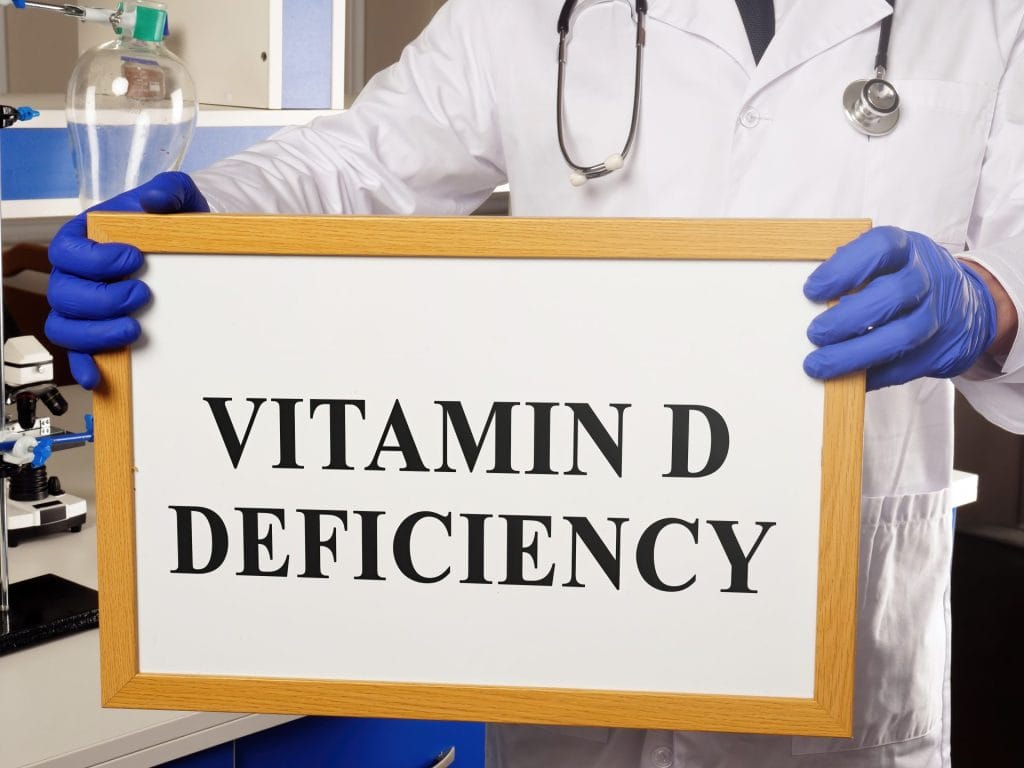
Vitamin D receptors are found throughout the body, including in muscle tissue and the brain, where they influence energy metabolism and neurotransmitter function. Studies have shown that people with vitamin D levels below 20 ng/mL are significantly more likely to report chronic fatigue compared to those with optimal levels[15].
Symptoms associated with vitamin D deficiency include:
– Persistent tiredness despite adequate sleep
– Muscle weakness and aches
– Bone pain or increased fracture risk
– Mood changes and depression
– Impaired immune function
– Slow wound healing
Risk factors include limited sun exposure, darker skin pigmentation (which requires more sun exposure to produce vitamin D), obesity, older age, and living in northern latitudes during winter months[16].
The recommended daily intake ranges from 600-800 IU, though many healthcare providers suggest higher therapeutic doses (2000-5000 IU daily) for those with documented deficiency. Vitamin D3 (cholecalciferol) is generally more effective than D2 (ergocalciferol) at raising blood levels.
Magnesium Deficiency
Magnesium is involved in over 300 enzymatic reactions in the body, many of which are directly related to energy production. This mineral is essential for converting food into ATP, synthesizing protein, and regulating neuromuscular function[17].
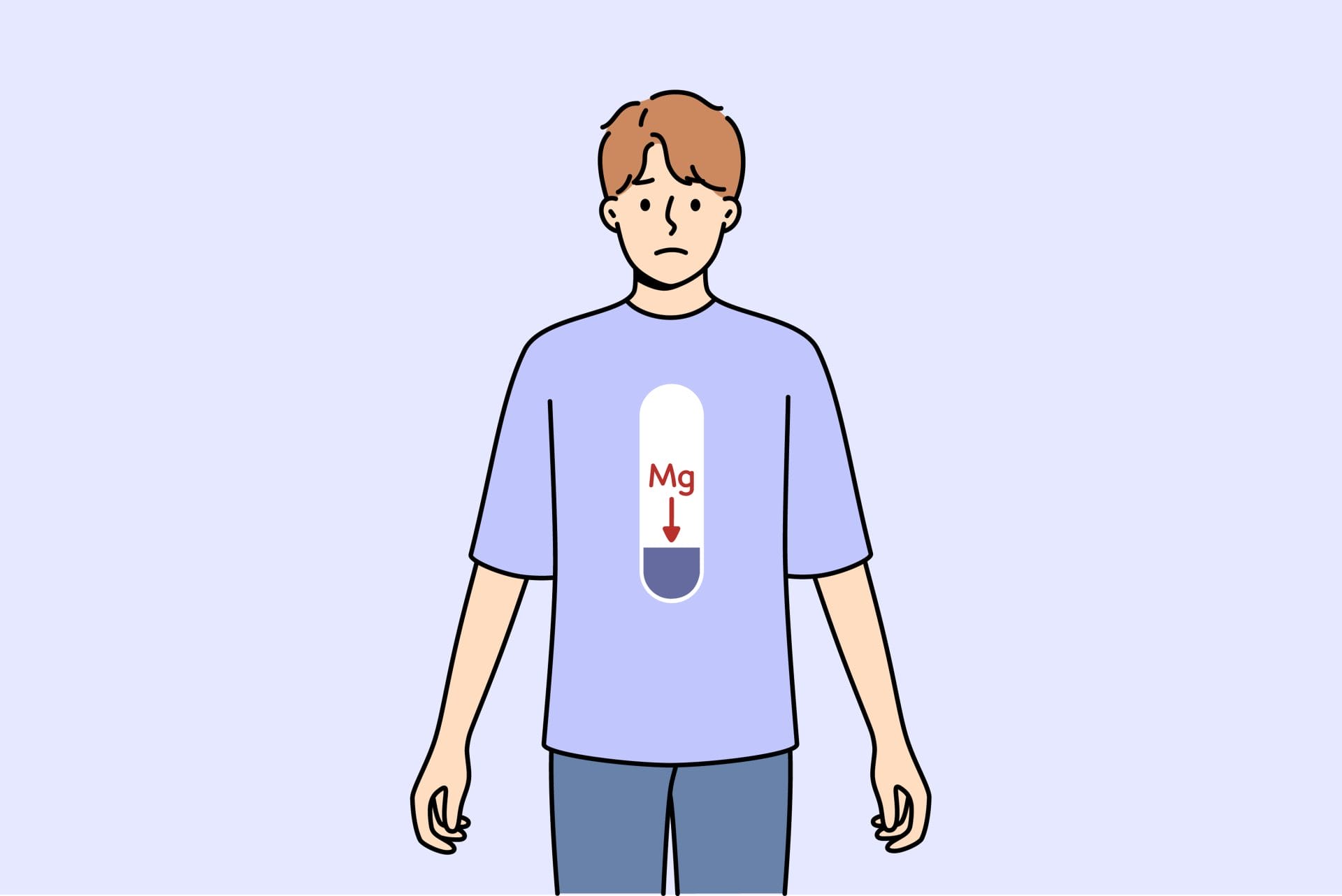
Despite its importance, research suggests that nearly 50% of Americans consume less than the recommended amount of magnesium, and subclinical deficiency is widespread[18]. Modern agricultural practices have depleted magnesium from soil, reducing the mineral content in many foods.
Signs of magnesium deficiency include:
– Muscle cramps and spasms
– Persistent fatigue and weakness
– Mental fog and difficulty concentrating
– Irregular heartbeat
– Restless leg syndrome
– Anxiety and irritability
– Poor sleep quality
Athletes, individuals with gastrointestinal disorders, people taking certain medications (like proton pump inhibitors), and those with type 2 diabetes are at higher risk for magnesium depletion[19].
Adults require 310-420 mg daily depending on age and sex. Magnesium glycinate and magnesium citrate are well-absorbed forms with minimal digestive side effects. Liquid magnesium supplements offer an alternative for those who struggle with pill fatigue.
Folate (Vitamin B9) Deficiency
Folate, also known as vitamin B9, works synergistically with vitamin B12 in red blood cell production and DNA synthesis. Deficiency leads to megaloblastic anemia with symptoms nearly identical to B12 deficiency, including severe fatigue and weakness[20].
Beyond its role in blood cell formation, folate is crucial for:
– Neurotransmitter synthesis
– Homocysteine metabolism (elevated homocysteine is linked to cardiovascular disease and cognitive decline)
– Cell division and growth
– Immune function
Folate deficiency symptoms include:
– Persistent tiredness and lethargy
– Shortness of breath
– Difficulty concentrating
– Irritability and mood changes
– Mouth sores and swollen tongue
– Premature graying of hair
Pregnant women, individuals with alcohol use disorder, people with malabsorption conditions, and those taking certain medications (like methotrexate) are at elevated risk[21].
The recommended daily intake is 400 mcg for adults, increasing to 600 mcg during pregnancy. When supplementing, many experts recommend methylfolate (5-MTHF), the active form of folate that bypasses genetic variations in folate metabolism that affect approximately 40% of the population.
Potassium Deficiency
While less commonly discussed in fatigue conversations, potassium plays a vital role in energy levels through its influence on muscle function, nerve transmission, and fluid balance. Potassium works in opposition to sodium to regulate cellular electrical activity[22].
Mild potassium deficiency (hypokalemia) may not cause obvious symptoms initially, but as levels drop, fatigue becomes prominent along with:
– Muscle weakness and cramps
– Constipation
– Heart palpitations
– Numbness and tingling
– Abnormal heart rhythms in severe cases
Risk factors include excessive sweating, chronic diarrhea or vomiting, certain medications (particularly diuretics), and inadequate dietary intake. Most Americans consume only about half the recommended 4,700 mg of potassium daily[23].
Food sources are generally preferred over supplements for potassium, as excessive supplementation can be dangerous. Potassium-rich foods include bananas, sweet potatoes, spinach, avocados, and beans.
Zinc Deficiency
Zinc is an essential trace mineral involved in immune function, protein synthesis, wound healing, and energy metabolism. While severe zinc deficiency is rare in developed countries, marginal deficiency is more common than generally recognized and can contribute to chronic fatigue[24].
Zinc deficiency symptoms include:
– Fatigue and decreased endurance
– Frequent infections
– Poor wound healing
– Hair loss
– Loss of appetite and taste changes
– Difficulty concentrating
Vegetarians, pregnant women, people with digestive disorders, and older adults are at higher risk for zinc insufficiency[25]. The recommended daily intake is 8-11 mg for adults.

When supplementing, zinc picolinate and zinc glycinate offer superior absorption compared to zinc oxide. However, excessive zinc intake can interfere with copper absorption, so balanced formulations are important.
How to Know If a Vitamin Deficiency Is Causing Your Fatigue
Identifying whether vitamins for chronic fatigue could resolve your energy issues requires a systematic approach. While fatigue has numerous possible causes—including sleep disorders, thyroid problems, depression, chronic infections, and autoimmune conditions—vitamin deficiencies are among the most treatable.

**Step 1: Evaluate Your Symptoms**
Keep a detailed symptom journal for at least two weeks, noting:
– Energy levels throughout the day
– Sleep quality and duration
– Physical symptoms (muscle weakness, pain, tingling, etc.)
– Mental symptoms (brain fog, concentration difficulties, mood changes)
– Any patterns related to meals, activities, or stress
Compare your symptoms to the specific deficiency profiles described above. Multiple overlapping symptoms may indicate compound deficiencies.
**Step 2: Assess Risk Factors**
Consider whether you have conditions or lifestyle factors that increase deficiency risk:
– Restrictive diets (vegetarian, vegan, elimination diets)
– Digestive disorders (celiac disease, Crohn’s disease, IBS)
– Medications that interfere with nutrient absorption
– Pregnancy or breastfeeding
– Advanced age (over 50)
– Heavy alcohol consumption
– Recent surgeries, especially gastrointestinal procedures
**Step 3: Get Tested**
The most definitive way to identify vitamin deficiency-related fatigue is through comprehensive blood testing. Request specific tests including:
– Complete Blood Count (CBC) to assess for anemia
– Vitamin B12 (serum B12 and methylmalonic acid)
– Folate (serum and red blood cell folate)
– Vitamin D (25-hydroxyvitamin D)
– Iron studies (serum iron, ferritin, TIBC, transferrin saturation)
– Magnesium (serum and ideally RBC magnesium)
– Zinc (serum zinc)
Standard wellness panels often miss these specific markers, so advocate for comprehensive testing if you suspect nutritional causes for your chronic fatigue vitamins deficiency[26].
**Step 4: Consider Trial Supplementation**
If testing isn’t immediately accessible, some healthcare providers recommend a trial of high-quality multivitamin supplementation, particularly formulations containing therapeutic doses of B-complex vitamins, iron, and vitamin D. Improvement within 4-8 weeks may suggest nutritional causes for fatigue.
However, self-diagnosis has limitations, and professional guidance ensures appropriate dosing without risking toxicity or masking serious underlying conditions.
How Long It Takes to Recover Energy
One of the most common questions about tired all the time vitamin
References
National Institutes of Health (NIH). Vitamin B12 Fact Sheet for Health Professionals. https://ods.od.nih.gov/factsheets/VitaminB12-HealthProfessional/
NIH Office of Dietary Supplements. Iron Fact Sheet for Health Professionals. https://ods.od.nih.gov/factsheets/Iron-HealthProfessional/
Mayo Clinic. Magnesium deficiency: Symptoms and causes. https://www.mayoclinic.org/drugs-supplements-magnesium/art-20364107
World Health Organization (WHO). Iron deficiency anaemia: assessment, prevention, and control. https://www.who.int/publications/i/item/WHO-NHD-01.3
NIH. Vitamin D Fact Sheet for Health Professionals. https://ods.od.nih.gov/factsheets/VitaminD-HealthProfessional/
Cleveland Clinic. Chronic Fatigue Syndrome (ME/CFS). https://my.clevelandclinic.org/health/diseases/12130-chronic-fatigue-syndrome
NIH. Folate Fact Sheet for Health Professionals. https://ods.od.nih.gov/factsheets/Folate-HealthProfessional/
NIH. Vitamin B6 Fact Sheet for Health Professionals. https://ods.od.nih.gov/factsheets/VitaminB6-HealthProfessional/
NIH. Zinc Fact Sheet for Health Professionals. https://ods.od.nih.gov/factsheets/Zinc-HealthProfessional/
Harvard Health Publishing. Iron deficiency and fatigue. https://www.health.harvard.edu/energy-and-fatigue/iron-deficiency-and-fatigue
PubMed. Magnesium and fatigue: systematic review. https://pubmed.ncbi.nlm.nih.gov/28654669/
NIH. Thiamin (Vitamin B1) Fact Sheet. https://ods.od.nih.gov/factsheets/Thiamin-HealthProfessional/
NIH. Riboflavin (Vitamin B2) Fact Sheet. https://ods.od.nih.gov/factsheets/Riboflavin-HealthProfessional/
NIH. Niacin (Vitamin B3) Fact Sheet. https://ods.od.nih.gov/factsheets/Niacin-HealthProfessional/
NIH. Pantothenic Acid (Vitamin B5) Fact Sheet. https://ods.od.nih.gov/factsheets/PantothenicAcid-HealthProfessional/
NIH. Biotin Fact Sheet for Health Professionals. https://ods.od.nih.gov/factsheets/Biotin-HealthProfessional/
NIH. Vitamin C Fact Sheet for Health Professionals. https://ods.od.nih.gov/factsheets/VitaminC-HealthProfessional/
NIH. Vitamin E Fact Sheet for Health Professionals. https://ods.od.nih.gov/factsheets/VitaminE-HealthProfessional/
NIH. Selenium Fact Sheet for Health Professionals. https://ods.od.nih.gov/factsheets/Selenium-HealthProfessional/
NIH. Copper Fact Sheet for Health Professionals. https://ods.od.nih.gov/factsheets/Copper-HealthProfessional/
NIH. Iodine Fact Sheet for Health Professionals. https://ods.od.nih.gov/factsheets/Iodine-HealthProfessional/
CDC. Anemia and fatigue. https://www.cdc.gov/nutrition/micronutrient-malnutrition/iron-deficiency-anemia.html
PubMed. Vitamin D deficiency and fatigue. https://pubmed.ncbi.nlm.nih.gov/24759240/
Mayo Clinic. Vitamin deficiency anemia. https://www.mayoclinic.org/diseases-conditions/vitamin-deficiency-anemia
NIH. Coenzyme Q10 Fact Sheet. https://ods.od.nih.gov/factsheets/CoenzymeQ10-HealthProfessional/
Harvard Medical School. The role of micronutrients in energy metabolism. https://www.health.harvard.edu/staying-healthy/vitamins-and-energy
.png)