—CONTENT_START—
Key Takeaways
- Women have unique nutritional needs that change throughout different life stages, making multivitamins crucial for maintaining optimal health
- Essential vitamins for women include folic acid, iron, calcium, vitamin D, and B-complex vitamins, each playing vital roles in reproductive health, bone strength, and energy production
- Studies show that 31% of American women are at risk of vitamin deficiency, which can lead to fatigue, weakened immunity, and long-term health complications
- Quality multivitamins can fill nutritional gaps in modern diets, support hormonal balance, and reduce the risk of chronic diseases
- Choosing the right multivitamin requires understanding your age, lifestyle, dietary restrictions, and specific health goals
Introduction: The Foundation of Women’s Wellness
Have you ever wondered why you feel constantly tired despite getting enough sleep? Or why your hair seems thinner, your nails more brittle, and your energy levels unpredictable? The answer might be hiding in plain sight—within the essential nutrients your body desperately needs but isn’t getting from diet alone.
As a woman, your body is an incredible, complex system that performs countless functions every single day. From managing monthly hormonal fluctuations to supporting potential pregnancy, maintaining bone density, and fighting off diseases, your nutritional requirements are uniquely demanding. Yet research shows that most women fall short of meeting their daily vitamin and mineral needs through diet alone[1]. In our fast-paced world of processed foods, restrictive diets, and busy schedules, nutritional gaps have become the norm rather than the exception.
This comprehensive guide will explore why multivitamins are not just important but essential for women’s health across all life stages. You’ll discover which specific vitamins your body needs most, understand how deficiencies manifest in your daily life, and learn how to choose the best multivitamin to support your unique health journey. Whether you’re in your twenties navigating career pressures, your thirties managing family responsibilities, or beyond menopause protecting your long-term health, this article will equip you with the knowledge to make informed decisions about your nutritional supplementation.

Understanding Women’s Unique Nutritional Needs
Why Women Require Different Nutrients Than Men
The biological differences between men and women extend far beyond the obvious physical characteristics. Women’s bodies have distinct nutritional requirements driven by hormonal cycles, reproductive capabilities, and different metabolic processes. According to the National Institutes of Health, women need higher amounts of certain nutrients including iron, calcium, folic acid, and vitamin D compared to men[2].
Monthly menstruation creates a consistent loss of iron, making women of reproductive age particularly vulnerable to iron deficiency anemia. During pregnancy and lactation, nutritional demands skyrocket—a developing baby requires substantial amounts of folic acid, calcium, and other essential nutrients directly from the mother’s body. Furthermore, women face a significantly higher risk of osteoporosis later in life, making adequate calcium and vitamin D intake critical for bone health preservation[3].
The hormonal symphony that orchestrates a woman’s monthly cycle, fertility, and eventual transition through menopause requires specific nutritional support. B-complex vitamins play crucial roles in hormone metabolism, while magnesium and vitamin E can help manage premenstrual symptoms. These unique biological realities make targeted nutritional supplementation not a luxury but a necessity for optimal women’s health.
The Nutritional Gap in Modern Women’s Diets
Despite having access to more food options than ever before, modern women face a paradox—abundant calories but insufficient nutrients. A comprehensive study published in the Journal of Nutrition found that over 90% of women don’t meet the Estimated Average Requirement for vitamin D, vitamin E, and potassium[4].
Several factors contribute to this widespread nutritional deficiency. First, modern agricultural practices and soil depletion have reduced the nutrient density of fruits and vegetables compared to decades past. Second, busy lifestyles often lead to reliance on processed, convenience foods that are calorie-dense but nutrient-poor. Third, various dietary restrictions—whether for weight management, ethical reasons, or food sensitivities—can inadvertently eliminate important nutrient sources.
Furthermore, certain life circumstances dramatically increase nutritional needs. Birth control pills can deplete B vitamins and magnesium. Regular exercise, while beneficial, increases requirements for antioxidants and minerals lost through sweat. Chronic stress—a constant companion for many modern women—depletes magnesium, vitamin C, and B vitamins at accelerated rates. This perfect storm of factors makes high-quality multivitamin supplementation a practical solution for bridging the nutritional gap.

Essential Vitamins for Women: A Deep Dive
Vitamin D: The Sunshine Vitamin for Bone and Immune Health
Vitamin D stands as one of the most critical yet commonly deficient nutrients among women. This unique vitamin functions more like a hormone in the body, influencing over 200 genes and playing crucial roles in calcium absorption, immune function, and mood regulation[5]. Research indicates that 42% of American women are vitamin D deficient, with even higher rates among women with darker skin tones and those living in northern latitudes.
For women, adequate vitamin D levels are essential for maintaining strong bones and preventing osteoporosis—a condition that affects 1 in 2 women over age 50. Beyond bone health, vitamin D supports immune system function, reducing the risk of autoimmune conditions and frequent infections. Emerging research also links optimal vitamin D levels to reduced risks of breast cancer, cardiovascular disease, and depression[6].
Most multivitamins for women contain between 800-2000 IU of vitamin D3, the most bioavailable form. However, many women may need higher amounts, particularly during winter months or if they have limited sun exposure. Understanding optimal vitamin D levels can help you determine if your multivitamin provides adequate amounts for your individual needs.
Folic Acid: Essential for Reproductive Health and Beyond
Folic acid, the synthetic form of folate (vitamin B9), deserves special attention for all women of childbearing age. This B vitamin plays an indispensable role in DNA synthesis and cell division, making it absolutely critical during the rapid cell growth that occurs in early pregnancy. Studies definitively show that adequate folic acid intake before conception and during early pregnancy reduces the risk of neural tube defects by up to 70%[7].
Because neural tube development occurs in the first 28 days of pregnancy—often before a woman knows she’s pregnant—health authorities recommend that all women capable of becoming pregnant consume 400-800 mcg of folic acid daily. But folic acid’s benefits extend far beyond pregnancy. This essential vitamin supports red blood cell formation, helps prevent anemia, and contributes to cardiovascular health by metabolizing homocysteine, an amino acid linked to heart disease when elevated.
Folic acid also plays a role in mental health and cognitive function. Research suggests that adequate folate levels support neurotransmitter production and may reduce the risk of depression, particularly in women[8]. A quality multivitamin for women should contain at least 400 mcg of folic acid, with many formulations providing 800 mcg for enhanced protection.
Iron: Combating the Most Common Nutritional Deficiency
Iron deficiency represents the most prevalent nutritional deficiency worldwide, and women bear the greatest burden. Approximately 10% of American women are iron deficient, with even higher rates among athletes, vegetarians, and those with heavy menstrual periods[9]. This essential mineral serves as a core component of hemoglobin, the protein in red blood cells that transports oxygen throughout your body.
When iron levels drop, so does your oxygen-carrying capacity, resulting in the hallmark symptoms of iron deficiency anemia: persistent fatigue, weakness, pale skin, shortness of breath, difficulty concentrating, and increased susceptibility to infections. For women of reproductive age, monthly menstruation creates a regular loss of iron that must be replaced through diet or supplementation. Pregnant women require nearly double the iron to support increased blood volume and fetal development.
However, iron supplementation requires careful consideration. While premenopausal women typically need 18 mg of iron daily, postmenopausal women require only 8 mg, and excessive iron can cause constipation and other side effects. The best multivitamins for women are formulated with appropriate iron levels for specific life stages. Some women may need additional iron supplementation beyond their multivitamin, particularly if diagnosed with anemia, but this should be done under healthcare guidance.
Calcium: Building and Protecting Bone Health
Calcium serves as the most abundant mineral in your body, with 99% stored in bones and teeth. For women, maintaining adequate calcium intake throughout life is crucial for building peak bone mass in younger years and minimizing bone loss as you age. Women reach peak bone density around age 30, after which bone mass gradually declines. This natural process accelerates dramatically after menopause due to decreasing estrogen levels[10].
The stark reality is that osteoporosis, a condition characterized by weak, brittle bones prone to fracture, affects far more women than men. One in two women over 50 will break a bone due to osteoporosis. Adequate calcium intake, combined with vitamin D and weight-bearing exercise, represents your best defense against this preventable condition.
Adult women need 1,000-1,200 mg of calcium daily, depending on age. However, most multivitamins contain only 200-300 mg because calcium is bulky and would make pills impractically large. This means women should consume calcium-rich foods like dairy products, leafy greens, and fortified foods, using their multivitamin as a supplemental source rather than the primary one. Calcium-rich foods for women provides comprehensive guidance on meeting your calcium needs through diet and supplementation.
B-Complex Vitamins: Energy, Metabolism, and Hormonal Balance
The B-complex vitamins—thiamine (B1), riboflavin (B2), niacin (B3), pantothenic acid (B5), pyridoxine (B6), biotin (B7), and cobalamin (B12)—work synergistically to support numerous critical functions. These water-soluble vitamins play central roles in energy production, converting the food you eat into cellular fuel. They support nervous system health, aid in red blood cell formation, and contribute to healthy skin, hair, and nails.
For women specifically, B vitamins offer several targeted benefits. Vitamin B6 helps regulate hormonal fluctuations and can reduce PMS symptoms including mood swings, irritability, and breast tenderness[11]. B12 supports cognitive function and becomes increasingly important with age, as absorption naturally decreases. Vegetarians and vegans face particular risk for B12 deficiency since this vitamin occurs primarily in animal products.
B vitamins also support cardiovascular health by helping metabolize homocysteine. Research shows that women with higher B vitamin intake have lower rates of heart disease. Additionally, biotin (B7) has gained popularity for supporting healthy hair, skin, and nail growth, addressing common concerns many women face. A comprehensive multivitamin for women should include the full spectrum of B vitamins in bioavailable forms.

Benefits of Multivitamins for Women Across Life Stages
Multivitamins for Women in Their 20s and 30s
Your twenties and thirties represent critical decades for establishing the health foundation that will serve you for life. During these years, women are often building careers, potentially starting families, and establishing lifestyle habits—all while trying to maintain optimal health. This life stage brings specific nutritional challenges and opportunities.
Women in their twenties and thirties require robust levels of iron to compensate for monthly menstrual losses, folic acid for potential pregnancy, and calcium to build maximum bone density. If pregnancy occurs, nutritional demands increase dramatically. Prenatal vitamins become essential, but even when not actively trying to conceive, adequate folic acid intake protects against neural tube defects in unplanned pregnancies[12].
This age group often faces energy demands from career pressures, social activities, and potential childcare responsibilities. B-complex vitamins support sustained energy production and stress management. Antioxidant vitamins C and E help protect against cellular damage from environmental stressors and support skin health. Women who maintain proper nutrition through these formative decades set the stage for healthier aging and reduced disease risk later in life.
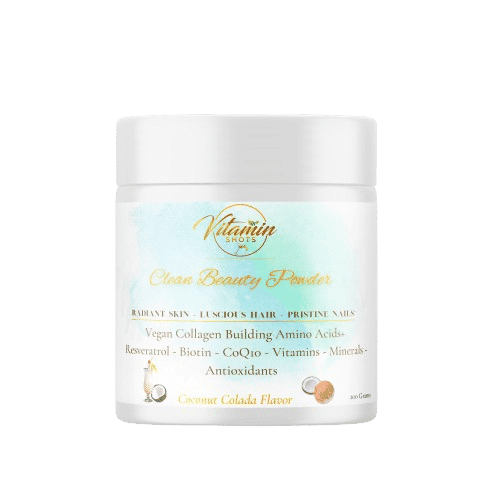
The Vitamin Shots offers specially formulated multivitamins designed specifically for women in this life stage, providing optimal levels of iron, folic acid, and B vitamins to support your active lifestyle and reproductive health goals.
Pregnancy and Breastfeeding: Elevated Nutritional Demands
Pregnancy represents the most nutritionally demanding period in a woman’s life. During these crucial nine months, your body builds an entirely new human being—a feat requiring substantial amounts of virtually every essential nutrient. Prenatal multivitamins become non-negotiable during pregnancy and breastfeeding.
Folic acid requirements increase to 600 mcg during pregnancy to support rapid cell division and prevent neural tube defects. Iron needs nearly double to 27 mg daily to support increased blood volume and fetal development. Calcium requirements remain high at 1,000 mg to build the baby’s skeleton without depleting the mother’s bone stores. Vitamin D, vitamin B12, and omega-3 fatty acids (particularly DHA) become increasingly important for fetal brain and nervous system development[13].
Breastfeeding continues these elevated nutritional demands. Nursing mothers need additional calories and nutrients as these are transferred directly to the baby through breast milk. Inadequate maternal nutrition during lactation can compromise breast milk quality and deplete the mother’s nutrient reserves. Studies show that women who don’t supplement during pregnancy and breastfeeding face increased risks of postpartum depression, fatigue, and longer recovery times.
Prenatal vitamin guide for expecting mothers provides detailed information on selecting the right prenatal multivitamin and understanding trimester-specific nutritional needs.
Perimenopause and Menopause: Navigating Hormonal Transitions
The transition through perimenopause and into menopause brings profound hormonal shifts that significantly impact nutritional needs. As estrogen levels decline, women face increased risks of osteoporosis, cardiovascular disease, and metabolic changes. This life stage, typically occurring between ages 45-55, requires strategic nutritional support.
Calcium and vitamin D become even more critical as bone density decreases more rapidly without estrogen’s protective effects. Vitamin B6 and magnesium may help manage hot flashes and mood changes associated with hormonal fluctuations. Antioxidant vitamins C and E support cardiovascular health, which becomes a primary concern as heart disease risk increases after menopause[14].
Iron requirements actually decrease after menstruation ceases, dropping from 18 mg to 8 mg daily. Therefore, postmenopausal women should choose multivitamins specifically formulated for their life stage with lower iron content to avoid unnecessary accumulation. Vitamin B12 absorption decreases with age, making supplementation increasingly important for maintaining energy, cognitive function, and nervous system health.
Women Over 50: Protecting Long-term Health and Vitality
Women over 50 face unique health challenges that make targeted nutritional supplementation particularly valuable. Beyond menopause, the focus shifts to preventing chronic diseases, maintaining cognitive function, preserving muscle mass and bone density, and supporting overall vitality and quality of life.
Vitamin D and calcium remain paramount for osteoporosis prevention, but vitamin K2 also becomes important for directing calcium to bones rather than soft tissues where it can contribute to arterial calcification. B vitamins, particularly B12, support cognitive health and may reduce the risk of age-related cognitive decline and dementia. Studies suggest that adequate B vitamin status in older adults correlates with better memory and processing speed[15].
Antioxidant vitamins—C, E, and carotenoids—help protect against oxidative stress that accelerates aging and contributes to chronic diseases including heart disease, cancer, and macular degeneration. Vitamin A supports eye health, which becomes increasingly vulnerable with age. Women over 50 should also ensure adequate protein intake alongside their multivitamin to maintain muscle mass and prevent sarcopenia.
The best multivitamins for women over 50 are specifically formulated with higher amounts of vitamin D, B12, and calcium, while containing