
Best Vitamins for Energy and Fatigue: 9 That Actually Work
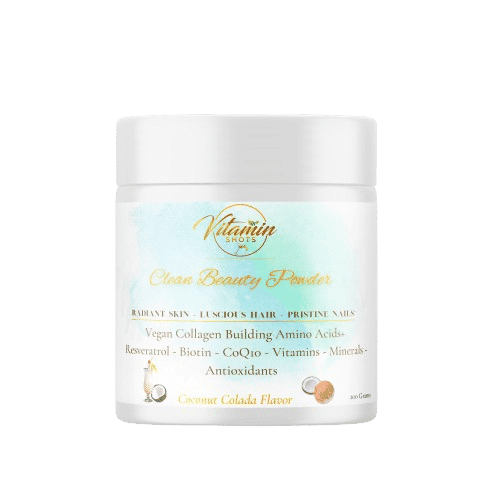
You slept eight hours. You had your coffee. And yet by 2 PM, you’re fighting to keep your eyes open. If this sounds familiar, you’re not alone. Persistent fatigue is one of the most common health complaints, and while the causes range from poor sleep to chronic stress, nutritional deficiencies play a bigger role than most people realize. Here’s what most people miss: your body produces energy at the cellular level through complex biochemical processes. These processes require specific vitamins and minerals to function. When you’re deficient in even one of them, the whole system slows down. This guide covers the 9 most effective vitamins and minerals for fighting fatigue, backed by research. No hype, no miracle claims—just the nutrients your body actually needs to produce sustainable energy. Why You Feel Tired: The Energy Production Basics Before diving into specific vitamins, understanding how your body creates energy helps explain why certain nutrients matter so much. Every cell in your body contains mitochondria, often called the powerhouses of the cell. These tiny structures convert nutrients from food into ATP, the energy currency your body runs on. This process requires a precise combination of B vitamins, minerals, and other cofactors. When any of these nutrients run low, ATP production decreases. The result isn’t dramatic—you won’t collapse—but you’ll feel persistently tired, mentally foggy, and physically sluggish. It’s the kind of fatigue that sleep doesn’t fix because the problem isn’t rest; it’s fuel. The nutrients below directly support energy production at the cellular level. Address deficiencies in these areas, and many people experience noticeable improvements within weeks. The 9 Best Vitamins and Minerals for Energy 1. Vitamin B12: The Energy Cornerstone If fatigue had a single most common nutritional cause, B12 deficiency would be it. Vitamin B12 is essential for red blood cell production. Without adequate B12, your body can’t make enough healthy red blood cells to carry oxygen throughout your body. Less oxygen to your cells means less energy production. B12 also supports the nervous system and helps convert food into usable energy. Deficiency symptoms include fatigue, weakness, brain fog, and even depression—all of which can feel like you’re simply “tired” without an obvious cause. Who’s at risk: Vegetarians and vegans face the highest risk since B12 comes almost exclusively from animal products. Adults over 50 often have reduced absorption. People taking acid-blocking medications, metformin, or those with digestive conditions like Crohn’s or celiac disease also commonly develop deficiency. The research: Studies consistently show that B12 supplementation improves energy levels in people who are deficient. However, if your B12 levels are already adequate, extra supplementation won’t provide additional energy. How to take it: The RDA is 2.4 mcg, though many supplements provide much higher doses since B12 has low toxicity risk. Methylcobalamin is the preferred form for absorption. Liquid B12 absorbs faster than pills, which matters when correcting deficiency. Glam Dust Radiant Skin – Luscious Hair – Pristine Nails Vitamin Shots The Ultimate Brain And Body Supplement Vitamin Sprinkles Fuel Your Brain – Nourish Your Body – With One Delicious Sprinkle 2. Iron: Oxygen Delivery for Every Cell Iron deficiency is the most common nutritional deficiency worldwide, and fatigue is its hallmark symptom. Iron is crucial for hemoglobin, the protein in red blood cells that carries oxygen from your lungs to every tissue in your body. When iron runs low, your cells literally don’t get enough oxygen to produce energy efficiently. The fatigue from iron deficiency feels heavy and persistent. Even mild deficiency, before it progresses to full anemia, can cause noticeable tiredness, weakness, and reduced exercise tolerance. Who’s at risk: Women of reproductive age, especially those with heavy periods, face the highest risk. Vegetarians and vegans are also vulnerable since plant-based iron absorbs less efficiently. Frequent blood donors, endurance athletes, and people with digestive conditions that impair absorption should monitor iron levels carefully. Critical warning: Unlike most vitamins, iron can be toxic in excess. Never supplement iron without testing your levels first. A simple blood test can confirm whether you need supplementation. How to take it: If testing confirms deficiency, iron bisglycinate is gentle on the stomach. Taking iron with vitamin C improves absorption. Avoid taking iron with calcium, coffee, or tea, which reduce absorption. 3. Vitamin D: The Sunshine Vitamin for Energy Vitamin D deficiency affects an estimated 42% of American adults, and fatigue is one of its most common symptoms. While vitamin D is famous for bone health, it also plays crucial roles in muscle function, immune regulation, and mood. Vitamin D receptors exist throughout the body, including in tissues involved in energy metabolism. Research links low vitamin D to fatigue, muscle weakness, and depression—all of which drain energy. A study in the North American Journal of Medical Sciences found that vitamin D supplementation significantly reduced fatigue in people who were deficient. Who’s at risk: People who work indoors, live in northern latitudes, have darker skin, consistently use sunscreen, or are over 65 face higher deficiency risk. If you’re not regularly exposing significant skin to midday sun, you’re likely not making enough vitamin D. How to take it: The RDA is 600-800 IU, though many researchers suggest this is too low. Blood levels of 40-60 ng/mL are often recommended for optimal function. Vitamin D3 absorbs better than D2. Since it’s fat-soluble, taking D with a meal containing fat improves absorption. Glam Dust Radiant Skin – Luscious Hair – Pristine Nails Vitamin Shots The Ultimate Brain And Body Supplement Vitamin Sprinkles Fuel Your Brain – Nourish Your Body – With One Delicious Sprinkle Magnesium: The Metabolic Workhorse Magnesium participates in over 300 enzymatic reactions in your body, including many directly involved in energy production. This mineral is essential for converting food into ATP, the energy molecule your cells run on. Magnesium also supports muscle function, nervous system regulation, and sleep quality—all of which affect how energetic you feel. An estimated 50% of Americans don’t get enough magnesium from their diet. Modern farming practices have depleted soil magnesium, and stress rapidly
Best Vitamins for Energy and Fatigue: 9 That Actually Work Read More »