
Postpartum hair loss (postpartum telogen effluvium) is a temporary, hormonally-driven increase in hair shedding that affects the large majority of new mothers, typically starting 2–4 months after delivery and resolving within 6–12 months. It happens because pregnancy hormones — mainly elevated estrogen — hold more hair than usual in its growth phase; after birth, estrogen drops sharply and that "held" hair shifts to the shedding phase all at once. According to the American Academy of Dermatology and sources including Johns Hopkins Medicine and Cleveland Clinic, the shedding itself is primarily hormonal, not caused by nutritional deficiency, in most women. However, real nutrient deficiencies — most commonly iron, which affects an estimated 25–50% of postpartum women, along with vitamin D, zinc, and B vitamins — are documented triggers that can prolong or worsen shedding, and correcting a confirmed deficiency is the nutritional intervention with the strongest evidence behind it.
Somewhere between three and six months after giving birth, a huge number of new mothers open the shower drain and panic. Handfuls of hair. Clogged brushes. Strands on every pillow and every piece of clothing. Postpartum hair loss (medically known as postpartum telogen effluvium) affects the large majority of women to some degree, yet it remains one of the most anxiety-inducing and least-explained parts of early motherhood. It looks like something is seriously wrong — but for most women, it's a specific, well-documented hormonal process, and it's almost universally temporary. This guide breaks down exactly what's happening biologically, why it happens on this particular timeline, when nutrient deficiency genuinely makes it worse (and when it doesn't), which specific nutrients have real evidence behind them, and how to tell normal postpartum shedding apart from something that needs a doctor's attention.

The quick answer: why postpartum hair loss happens
During pregnancy, elevated estrogen holds a much larger share of scalp hair in its growth phase than usual, which is why pregnancy hair often looks unusually thick and full. After delivery, estrogen drops sharply within hours, releasing all of those "held" hairs into the resting phase at once. A few months later, they shed together — a synchronized process called telogen effluvium.
Save this article for later
Enter your email and we'll send you a direct link — no account needed.
The American Academy of Dermatology and major clinical sources classify this as primarily hormonal in origin, not caused by nutritional deficiency in most women — meaning the shedding itself would happen even with perfect nutrition. However, pregnancy, blood loss during delivery, and breastfeeding do genuinely deplete specific nutrients, and real deficiencies in iron, vitamin D, zinc, and B vitamins can prolong or intensify shedding beyond the typical timeline.
For most women, heavy shedding lasts two to six months and full regrowth is visible within six to twelve months without any specific intervention — supplementation is most useful for correcting an actual documented deficiency, not as a guaranteed shortcut to faster regrowth.
What this article covers
- What's actually happening: the hormone-hair connection
- Postpartum hair loss timeline: when it starts, peaks, and stops
- Hormonal cause vs. nutritional deficiency: two different (sometimes overlapping) problems
- The nutrients with real evidence behind postpartum hair health
- Breastfeeding-specific considerations
- What doesn't reliably help, despite the marketing
- When postpartum shedding isn't "just" postpartum shedding
- How to evaluate any postpartum hair supplement's claims
- Frequently asked questions
What's actually happening: the hormone-hair connection
Postpartum hair loss happens because the sharp drop in estrogen after delivery releases a large, synchronized batch of hair follicles into their shedding phase at once — hair that pregnancy hormones had been artificially holding in the growth phase for months. Here's the underlying biology.
Every hair on your scalp cycles through three phases: anagen (active growth, lasting roughly two to four years), a brief transitional phase, and telogen (resting, before the hair eventually sheds). At any given time, roughly 85–90% of scalp hair is in the growth phase and 10–15% is resting — which is why losing 50 to 100 hairs a day is completely normal and usually unnoticeable.
During pregnancy, elevated estrogen and progesterone extend the growth phase and prevent the usual number of hairs from transitioning to resting. This isn't extra hair growth — it's better hair retention, which is why pregnancy hair often looks noticeably thicker and fuller than usual.
After delivery, estrogen drops sharply within hours of the placenta being delivered. All of the hairs that had been artificially held in the growth phase are released into the resting phase at the same time — synchronized in a way that doesn't happen under normal hormonal conditions. A few months later, that same synchronized group of hairs enters the shedding phase together, which is what produces the sudden, alarming volume of hair loss.
Postpartum hair loss timeline: when it starts, peaks, and stops

- Onset: Typically 2–4 months postpartum, though it can start slightly earlier or later depending on individual hormonal recovery.
- Peak shedding: Often described as most intense around months 4–6, sometimes with visibly increased hair on brushes, pillows, and in the shower drain.
- Duration of heavy shedding: Generally 2–6 months before it noticeably slows.
- Full regrowth: Most women see their hair return to its pre-pregnancy density within 6–12 months, though new "baby hairs" — short, wispy regrowth along the hairline — are often visible well before that.
Women who breastfeed sometimes notice the shedding phase extends slightly longer than those who don't, since hormone levels continue shifting throughout the breastfeeding period rather than stabilizing as quickly.
Hormonal cause vs. nutritional deficiency: two different (sometimes overlapping) problems
Postpartum hair loss is primarily hormonal, not nutritional — but real nutrient deficiencies can prolong or worsen it. This is the most important, and most commonly muddled, distinction in postpartum hair loss content.
Clinical sources including the American Academy of Dermatology describe postpartum telogen effluvium as fundamentally hormonal: the shedding is a predictable, near-universal consequence of the estrogen drop after delivery, and it happens even in women with excellent nutritional status. This matters because it sets realistic expectations — no supplement, however well-formulated, will fully prevent this hormonally-driven shedding from happening at all.
At the same time, pregnancy, childbirth, and breastfeeding place genuinely high demands on specific nutrient stores, and real deficiencies are common enough to matter. One frequently cited estimate suggests that a substantial share of postpartum women — commonly cited in the range of 25 to 50 percent — develop measurable iron deficiency, partly from blood loss during delivery and partly from the sustained demands of pregnancy itself. Hair follicles have unusually high metabolic and nutrient demands relative to their size, which means when the body is genuinely short on key nutrients, hair growth is one of the first non-essential processes to be deprioritized in favor of core organ function.
The honest, evidence-consistent summary: the underlying shedding trigger is hormonal and will happen regardless of diet, but a real, documented nutrient deficiency can prolong the shedding phase or slow regrowth beyond the typical timeline. Supplementation is most valuable as a way to correct an actual deficiency — not as a way to prevent postpartum shedding altogether.
The nutrients with real evidence behind postpartum hair health
Six nutrients have documented links to hair follicle health and postpartum depletion: iron, zinc, vitamin D, B vitamins (especially biotin and B12), protein, and omega-3 fatty acids. The table below summarizes what each one does and how strong the evidence is, before the detailed breakdown that follows.
| Nutrient | Role in hair health | Postpartum risk | Evidence strength |
|---|---|---|---|
| Iron | Supports follicle metabolic function | High — 25–50% of postpartum women affected | Well-established when deficiency is confirmed |
| Vitamin D | Receptors present in follicle cells | High — common even outside pregnancy | Biologically plausible; test-and-correct approach |
| Zinc | Protein synthesis, cell division | Moderate — depleted via breast milk transfer | Recognized but less common contributor |
| B12 / B-complex | Energy metabolism, keratin support | Moderate — breastfeeding raises demand | Established for confirmed deficiency |
| Biotin | Keratin production | Low — true deficiency uncommon | Strong only if deficient; weak beyond that |
| Protein & omega-3s | Structural building blocks; scalp health | Moderate — increased postpartum demand | Generally supportive, not definitive |

Iron
Iron deficiency is the single most common and best-documented nutritional contributor to prolonged postpartum shedding. An estimated 25–50% of postpartum women develop measurable iron deficiency, driven by blood loss during delivery and the sustained demands of pregnancy.
Checking ferritin (iron storage) via a blood test is the recommended step for anyone with unusually heavy or prolonged shedding. Supplementing iron without a confirmed deficiency isn't advisable, since excess iron carries its own risks — this is a nutrient worth testing for, not assuming.
Zinc
Zinc supports protein synthesis and cell division, both relevant to hair follicle function. Breastfeeding transfers zinc into breast milk at a meaningful rate, which can draw down maternal stores over time. Zinc deficiency is a recognized, if less common, contributor to postpartum shedding.
Vitamin D
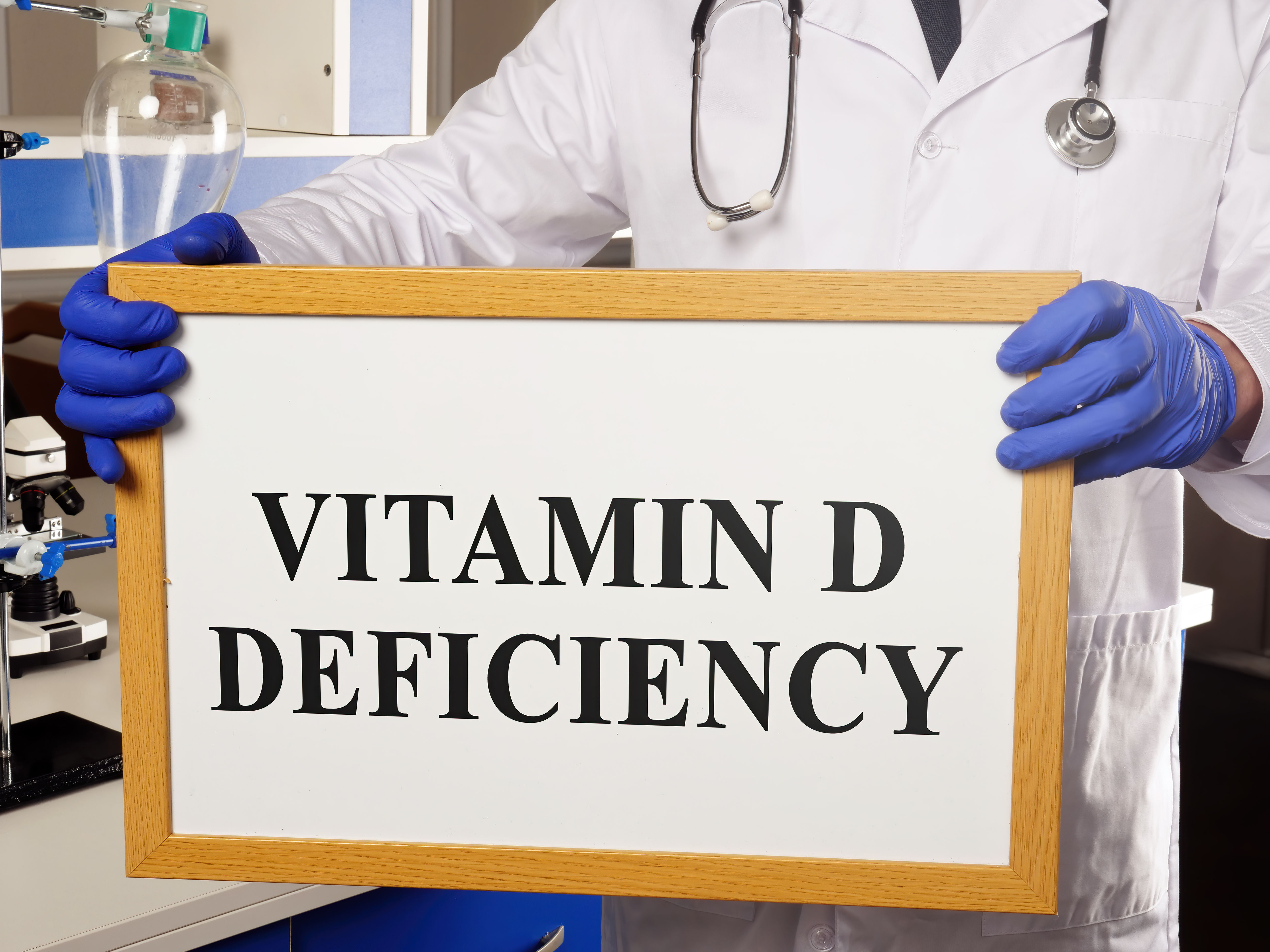
Vitamin D deficiency is extremely common postpartum, and vitamin D receptors are present in hair follicle cells — giving it biological plausibility as a relevant nutrient for hair health. As with iron, testing is the most reliable way to confirm whether supplementation is addressing an actual gap.
B vitamins, including biotin and B12
Breastfeeding substantially increases B-vitamin demand. B12 in particular is worth watching, since deficiency can affect energy levels alongside hair and skin symptoms. Biotin supports keratin production, the structural protein that makes up hair.
Genuine biotin deficiency is uncommon, but correcting it can meaningfully improve hair and nail symptoms when present. Supplementing well beyond an actual deficiency has weaker evidence for producing further benefit.
Protein, calcium, and omega-3 fatty acids
Adequate protein intake matters because hair is structurally built from protein, and postpartum recovery combined with breastfeeding increases protein needs. Calcium is drawn down during breastfeeding to support milk production; it isn't directly tied to hair growth, but adequate intake supports overall postpartum bone and mineral recovery. Omega-3 fatty acids are commonly included in postpartum hair formulas for their association with scalp health and reduced inflammation, though the evidence here is generally supportive rather than definitive.
Breastfeeding-specific considerations

Breastfeeding meaningfully increases nutrient requirements across the board, since nutrients are actively transferred into breast milk daily, on top of the demands of postpartum physical recovery. This is one reason breastfeeding mothers sometimes experience a somewhat longer shedding window than those who aren't breastfeeding.
Not every supplement is appropriate during breastfeeding. High-dose vitamin A and certain herbal ingredients marketed for hair growth (saw palmetto is a commonly cited example) don't have established safety data for nursing infants and are generally best avoided without medical guidance. Continuing a standard prenatal vitamin through the postpartum and breastfeeding period is a reasonable baseline for many women, with any additional targeted supplementation — particularly iron — guided by an actual blood test and a conversation with a healthcare provider.
What doesn't reliably help, despite the marketing
Postpartum hair loss is an emotionally difficult, highly searched topic, which makes it a magnet for products promising more than the evidence supports. A few things worth knowing:
- No supplement stops hormonally-driven shedding entirely. Since the underlying trigger is the post-delivery estrogen drop, the shedding phase will happen to some degree regardless of nutrition — the honest goal of supplementation is supporting healthy regrowth and avoiding a deficiency-related delay, not preventing shedding altogether.
- Megadosing biotin without a deficiency has limited evidence of added benefit, and very high biotin intake can interfere with certain thyroid and cardiac lab test results, which is worth mentioning to any doctor ordering bloodwork.
- Topical products can support scalp condition but don't address the underlying hormonal or nutritional drivers. A healthy scalp environment is a reasonable, low-risk complement to nutritional support — not a substitute for it.
- Timelines that promise dramatically faster regrowth than the typical 6–12 month window should be viewed skeptically, since this is a biological process with a fairly consistent timeline across the clinical literature.
A brief note on The Vitamin Shots' formulas
The Vitamin Shots' daily Vitamin Shots formula includes several of the nutrients discussed above — including zinc, B vitamins, and vitamin D — as part of a broader daily nutrient profile, intended to help address genuine postpartum nutrient gaps rather than to promise faster-than-typical regrowth. It does not contain iron at a therapeutic dose, since iron supplementation should be guided by an actual blood test result rather than included by default. For those who prefer an alternative format, Vitamin Sprinkles offers the same category of daily nutrient support.
When postpartum shedding isn't "just" postpartum shedding
Most postpartum hair loss follows the pattern described above and resolves on its own. It's worth talking to a doctor if:
- Heavy shedding continues well past 12 months postpartum without signs of slowing or regrowth
- You notice distinct bald patches rather than diffuse, all-over thinning, which can point toward a different condition entirely
- Shedding is accompanied by other symptoms like significant fatigue, unusual cold sensitivity, or noticeable weight changes, which can suggest a thyroid issue rather than typical telogen effluvium
- You have reason to suspect iron deficiency (heavy bleeding during or after delivery, ongoing fatigue) and haven't had bloodwork done
A dermatologist or your OB/GP can distinguish typical postpartum telogen effluvium from other causes of hair loss, including thyroid-related shedding or an underlying pattern hair loss condition that pregnancy hormones may have been masking.
Normal postpartum shedding vs. signs to check with a doctor
Typically normal: Diffuse, all-over thinning; starts 2–4 months postpartum; noticeably slows by month 6–8; no other new symptoms; hairline and part remain roughly even.
Worth a doctor's visit: Distinct bald patches rather than diffuse thinning; shedding still heavy past 12 months; accompanied by fatigue, cold intolerance, or weight changes; family or personal history of thinning that pregnancy hormones may have temporarily masked.
How to evaluate any postpartum hair supplement's claims
- Be skeptical of "stop hair loss" language. Since the underlying trigger is hormonal, no supplement can fully prevent the shedding phase from happening.
- Look for testing-based guidance, not blanket high-dose recommendations. Especially for iron, a genuine deficiency should be confirmed with bloodwork before supplementing at a therapeutic dose.
- Check breastfeeding safety explicitly if you're nursing — not every hair-growth ingredient has established safety data for nursing infants.
- Expect realistic timelines. The clinical literature consistently describes a 6–12 month window for full regrowth; claims of dramatically faster results deserve scrutiny.
- Distinguish "supports" language from "treats" or "cures" language. Nutrients that correct a genuine deficiency can meaningfully help; they aren't a guaranteed fix for hormonally-driven shedding itself.
Explore the full Vitamin Shots product line, including Vitamin Shots for comprehensive daily nutrition and Vitamin Sprinkles for an alternative delivery format.
Quick checklist: responding to postpartum hair loss
1. Confirm the timing fits the typical pattern (onset 2–4 months postpartum) before assuming something else is going on.
2. Ask your provider for a ferritin/iron panel and vitamin D test, especially if shedding feels unusually heavy or you had significant blood loss at delivery.
3. Continue or start a postpartum-appropriate multivitamin covering iron (if indicated), zinc, vitamin D, and B vitamins rather than isolating a single "hair vitamin."
4. Be gentle with styling — minimize tight hairstyles and heat styling while follicles are in a more vulnerable resting phase.
5. Set a realistic timeline expectation of 6–12 months for full regrowth, and flag it to a doctor if you're well past that window with no improvement.
Frequently asked questions
Is postpartum hair loss caused by nutrient deficiency?
Primarily, no — clinical sources describe it as a hormonal process triggered by the sharp estrogen drop after delivery, and it happens even in women with good nutritional status. However, genuine deficiencies in iron, vitamin D, zinc, or B vitamins, which are common postpartum, can prolong or intensify the shedding beyond the typical timeline.
When does postpartum hair loss start and how long does it last?
It typically starts 2–4 months after delivery, with heavy shedding lasting 2–6 months. Most women see full regrowth within 6–12 months. Breastfeeding mothers sometimes experience a slightly longer shedding window.
Can supplements stop postpartum hair loss completely?
No. Since the underlying trigger is hormonal, some degree of shedding will happen regardless of supplementation. Supplements are most useful for correcting an actual nutrient deficiency that might otherwise prolong the process, not for preventing it entirely.
Should I get my iron levels tested for postpartum hair loss?
It's a reasonable step, especially if shedding feels unusually heavy or prolonged, or if you experienced significant blood loss during delivery. Iron deficiency is common postpartum and is a recognized contributor to hair shedding, but supplementing without a confirmed deficiency isn't advisable.
Is it safe to take hair supplements while breastfeeding?
Many common nutrients (zinc, B vitamins, vitamin D at typical doses, omega-3s) are considered safe while breastfeeding, but high-dose vitamin A and certain herbal ingredients like saw palmetto don't have established safety data for nursing infants. Check with a healthcare provider before starting anything beyond a standard prenatal vitamin.
Does biotin actually help with postpartum hair loss?
Biotin supports keratin production, and correcting a genuine biotin deficiency can improve hair symptoms. However, true biotin deficiency is uncommon, and supplementing well beyond a deficiency has weaker evidence for producing additional benefit.
How much hair loss is considered normal postpartum?
Normal daily shedding is roughly 50–100 hairs; during peak postpartum telogen effluvium, this can noticeably increase for several months before slowing. If shedding continues well past 12 months, or you notice distinct bald patches rather than all-over thinning, it's worth seeing a doctor.
Does breastfeeding make postpartum hair loss worse?
It can extend the shedding window somewhat, since hormone levels continue shifting throughout breastfeeding and nutrient demands remain elevated. This doesn't mean breastfeeding causes hair loss — the underlying trigger is the same hormonal shift regardless of feeding method.
What's the difference between postpartum hair loss and postpartum thyroid-related hair loss?
Typical postpartum telogen effluvium is diffuse, temporary, and resolves within about a year. Thyroid-related shedding, which can also emerge postpartum, is often accompanied by other symptoms like fatigue, cold sensitivity, or weight changes, and requires separate diagnosis and treatment. A doctor can distinguish between the two with a simple blood test.
Will my hair go back to how it was before pregnancy?
For most women, yes — hair density typically returns to pre-pregnancy levels within 6–12 months as regrowth catches up with the earlier shedding phase. Some women notice subtle differences in texture afterward, but a return to normal density is the typical outcome.
What foods help with postpartum hair loss?
Iron-rich foods (red meat, lentils, spinach), zinc sources (pumpkin seeds, chickpeas, oysters), fatty fish for omega-3s and vitamin D, and adequate overall protein intake support the same nutrient categories linked to healthy postpartum hair. Food alone may not correct an existing deficiency quickly, which is why testing matters for anyone with more severe symptoms.
References & sources
- Hughes EC, Saleh D. Telogen Effluvium. StatPearls [Internet]. National Center for Biotechnology Information, National Library of Medicine. Updated 2021.
- Postpartum Hair Loss. Johns Hopkins Medicine. hopkinsmedicine.org
- Postpartum Hair Loss. Cleveland Clinic. clevelandclinic.org
- Postpartum Telogen Effluvium Unmasking Additional Latent Hair Loss Disorders. The Journal of Clinical and Aesthetic Dermatology.
- American Academy of Dermatology Association. Hair loss: Diagnosis and treatment for postpartum hair loss. aad.org
- National Institutes of Health, Office of Dietary Supplements. Iron — Fact Sheet for Health Professionals. ods.od.nih.gov
- National Institutes of Health, Office of Dietary Supplements. Zinc — Fact Sheet for Health Professionals. ods.od.nih.gov