
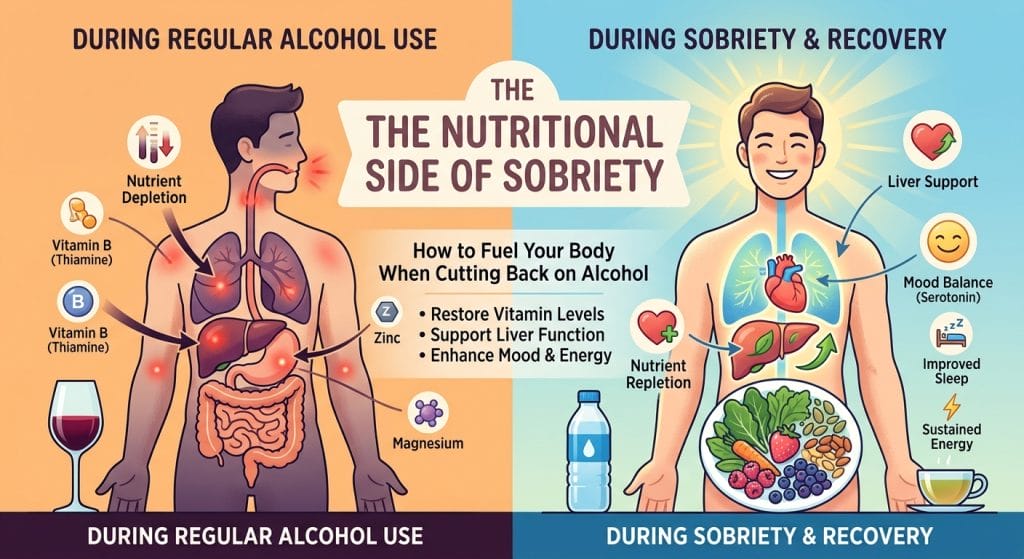

"Why am I always tired?" is one of the most common questions people bring to a doctor's office, and one of the most frustrating to get a straight answer to. Fatigue is a symptom, not a diagnosis — and it can stem from sleep quality, stress, thyroid function, mental health, or an underlying medical condition. But one of the most overlooked and most fixable causes is a nutrient deficiency, and research consistently shows that a specific set of vitamins and minerals are disproportionately linked to persistent fatigue when they run low. This guide walks through the 12 nutrient deficiencies most commonly associated with fatigue, the mechanism behind each one, how to recognize the difference between deficiency-related tiredness and other causes, and what the actual evidence-based path to testing and correction looks like.
The quick answer: the 12 nutrient deficiencies most linked to fatigue
Vitamin B12, Iron, Vitamin D, Magnesium, Folate, Vitamin B1 (Thiamine), Vitamin B6, Iodine, Zinc, Vitamin C, Coenzyme Q10, and Omega-3 fatty acids are the nutrients most consistently linked to fatigue in peer-reviewed research. Each works through a distinct biological mechanism — from oxygen transport (iron) to cellular energy production (B vitamins, CoQ10) to thyroid function (iodine) to nervous system regulation (magnesium).
The single most useful next step if you suspect a nutrient-related cause is blood testing for the most common culprits — B12, ferritin (iron stores), and 25-hydroxyvitamin D — since these three explain a large share of nutrient-related fatigue cases and are inexpensive to test.
Save this article for later
Enter your email and we'll send you a direct link — no account needed.
What this article covers
- 1. Vitamin B12
- 2. Iron
- 3. Vitamin D
- 4. Magnesium
- 5. Folate (Vitamin B9)
- 6. Vitamin B1 (Thiamine)
- 7. Vitamin B6
- 8. Iodine
- 9. Zinc
- 10. Vitamin C
- 11. Coenzyme Q10
- 12. Omega-3 Fatty Acids (EPA and DHA)
- When fatigue isn't about nutrients at all
- How to actually figure out what's causing your fatigue
- Frequently asked questions
1. Vitamin B12
B12 deficiency is one of the most well-documented nutritional causes of fatigue, and it's disproportionately common in vegans, vegetarians, older adults, and anyone on long-term acid-reducing medication [1].
Why it causes fatigue
B12 is essential for producing healthy red blood cells, which carry oxygen throughout the body. Deficiency leads to a specific type of anemia (megaloblastic anemia) in which red blood cells are abnormally large and less efficient at oxygen transport — directly producing the sensation of persistent fatigue, even with adequate sleep.
Other signs beyond fatigue
Numbness or tingling in hands and feet, difficulty concentrating, pale skin, a sore or smooth tongue, and in more advanced cases, balance problems.
Who's most at risk
Vegans and vegetarians (B12 is only reliably found in animal products or fortified foods), adults over 50 (reduced stomach acid impairs absorption), people on metformin or long-term proton pump inhibitors, and anyone with digestive conditions affecting the small intestine.
2. Iron
Iron deficiency is one of the most common nutritional deficiencies worldwide, and fatigue is typically the earliest and most prominent symptom [2].
Why it causes fatigue
Iron is a core component of hemoglobin, the protein in red blood cells that binds and transports oxygen. Without adequate iron, the body cannot produce enough functional hemoglobin, resulting in iron-deficiency anemia — a condition where tissues throughout the body, including muscles and the brain, receive less oxygen than they need.
Other signs beyond fatigue
Pale skin, shortness of breath on exertion, cold hands and feet, brittle nails, unusual cravings for non-food items (a condition called pica), and restless legs.
Who's most at risk
Menstruating women (particularly those with heavy periods), pregnant women, vegans and vegetarians (plant-based iron is absorbed less efficiently than animal-based heme iron), frequent blood donors, and endurance athletes.
3. Vitamin D
Vitamin D deficiency is remarkably common — the NIH estimates roughly 41% of American adults have insufficient levels — and fatigue is one of the most frequently reported symptoms [3].
Why it causes fatigue
Vitamin D receptors are present in muscle tissue and are involved in mitochondrial function — the cellular structures responsible for producing energy. Low vitamin D has also been associated with disrupted sleep patterns and mood changes, both of which independently contribute to daytime fatigue.
Other signs beyond fatigue
Bone or muscle pain, frequent illness or infections, low mood (particularly in winter months), and slow wound healing.
Who's most at risk
People with limited sun exposure, those with darker skin (which requires more sun exposure to synthesize equivalent vitamin D), older adults, people who are overweight (vitamin D is fat-soluble and can be sequestered in fat tissue), and anyone living at higher latitudes, especially during winter.
4. Magnesium
Magnesium is involved in over 300 enzymatic reactions in the body, including several directly tied to cellular energy production, and research suggests roughly half of Americans consume less than the recommended amount [4].
Why it causes fatigue
Magnesium is a required cofactor for producing ATP (adenosine triphosphate), the molecule cells use as their direct energy currency. Without adequate magnesium, this energy production process becomes less efficient. Magnesium is also involved in regulating sleep quality and the nervous system's stress response — both of which affect perceived energy levels independently of the direct cellular mechanism.
Other signs beyond fatigue
Muscle cramps or twitches, difficulty sleeping, headaches, and in more significant deficiency, irregular heart rhythm.
Who's most at risk
People with high alcohol intake, those with gastrointestinal conditions affecting absorption, people on certain diuretic medications, and anyone with a diet low in leafy greens, nuts, seeds, and whole grains.
5. Folate (Vitamin B9)

Folate deficiency produces a very similar picture to B12 deficiency, since the two vitamins work together closely in red blood cell production [5].
Why it causes fatigue
Like B12, folate is essential for DNA synthesis and healthy red blood cell formation. Deficiency leads to the same type of megaloblastic anemia seen in B12 deficiency, producing fatigue through impaired oxygen transport.
Other signs beyond fatigue
Irritability, difficulty concentrating, and a sore tongue — largely overlapping with B12 deficiency symptoms, which is why the two are often tested together.
Who's most at risk
People with diets low in leafy greens and legumes, heavy alcohol users (alcohol impairs folate absorption), pregnant women (requirements increase significantly), and people with certain genetic variants (such as MTHFR) that affect folate metabolism.
6. Vitamin B1 (Thiamine)

Thiamine plays a direct, foundational role in converting carbohydrates into usable cellular energy, making deficiency a particularly direct cause of fatigue [6].
Why it causes fatigue
Thiamine is a required cofactor in the metabolic pathway that breaks down glucose for energy. Without adequate thiamine, cells — particularly in the brain and nervous system, which rely heavily on glucose metabolism — cannot produce energy efficiently, leading to both physical and mental fatigue.
Other signs beyond fatigue
Irritability, poor appetite, and in more significant deficiency, nerve-related symptoms like tingling or weakness.
Who's most at risk
People with regular, heavy alcohol use (thiamine absorption and storage are both impaired by alcohol), people with diets very high in refined carbohydrates and low in whole grains, and those with certain gastrointestinal conditions.
7. Vitamin B6

Vitamin B6 is involved in over 100 enzymatic reactions, including several tied directly to energy metabolism and neurotransmitter production [7].
Why it causes fatigue
B6 is required for glycogen breakdown (the process of releasing stored energy from the liver and muscles) and for synthesizing neurotransmitters like serotonin and dopamine, which influence both mood and perceived energy levels.
Other signs beyond fatigue
Irritability, confusion, and in some cases, a rash or inflammation around the mouth.
Who's most at risk
Heavy alcohol users, people with kidney disease, and those on certain medications known to interact with B6 metabolism.
8. Iodine

Iodine deficiency affects thyroid function, and thyroid hormones directly regulate the body's overall metabolic rate — making fatigue one of the most prominent symptoms [8].
Why it causes fatigue
Iodine is required to produce thyroid hormones (T3 and T4), which regulate metabolism in essentially every cell in the body. Insufficient iodine can lead to hypothyroidism, a condition in which metabolism slows significantly, producing pronounced fatigue as one of its hallmark symptoms.
Other signs beyond fatigue
Weight gain, cold intolerance, dry skin, hair thinning, and in visible cases, an enlarged thyroid gland (goiter).
Who's most at risk
People who avoid iodized salt in favor of sea salt or Himalayan salt (which contain minimal iodine), those who avoid dairy and seafood, and pregnant women (iodine needs increase substantially).
9. Zinc
Zinc's connection to fatigue is less direct than iron or B12, but it plays supporting roles in energy metabolism and immune function that make deficiency a contributing factor [9].
Why it causes fatigue
Zinc is involved in numerous enzymatic processes, including those related to protein synthesis and immune function. Chronic low-grade zinc deficiency can contribute to a generally run-down feeling and increased susceptibility to infections, which independently cause fatigue.
Other signs beyond fatigue
Frequent colds or infections, slow wound healing, hair thinning, and diminished sense of taste or smell.
Who's most at risk
Vegans and vegetarians (plant-based zinc is less bioavailable due to phytate content), people with gastrointestinal conditions, and heavy alcohol users.
10. Vitamin C
Vitamin C deficiency is less common in developed countries but still occurs, and fatigue is one of the earliest reported symptoms even before more severe deficiency signs appear [10].
Why it causes fatigue
Vitamin C is required for carnitine synthesis, a compound that helps transport fatty acids into cellular mitochondria for energy production. It's also a powerful antioxidant, and chronic oxidative stress from low vitamin C status can contribute to a general sense of fatigue. Additionally, vitamin C significantly improves the absorption of non-heme (plant-based) iron, meaning deficiency can compound iron-related fatigue.
Other signs beyond fatigue
Easy bruising, slow wound healing, bleeding gums, and joint pain in more significant deficiency.
Who's most at risk
Smokers (smoking increases vitamin C turnover), people with very limited fruit and vegetable intake, and heavy alcohol users.
11. Coenzyme Q10

CoQ10 is not a vitamin in the traditional sense, but it functions as an essential component of cellular energy production, and levels naturally decline with age [11].
Why it causes fatigue
CoQ10 is directly involved in the mitochondrial electron transport chain — the primary pathway cells use to generate ATP. Reduced CoQ10 levels, whether from aging, statin medication use (statins can lower CoQ10 synthesis), or other factors, can directly impair cellular energy output.
Other signs beyond fatigue
Muscle weakness or soreness, particularly notable in people taking statin medications who report new-onset muscle fatigue.
Who's most at risk
Older adults, people taking statin medications, and those with certain chronic health conditions affecting mitochondrial function.
12. Omega-3 Fatty Acids (EPA and DHA)
Omega-3 deficiency has a less direct mechanistic link to fatigue than the nutrients above, but a growing body of research connects low omega-3 status to inflammation, mood disturbances, and poor sleep quality — all of which contribute to daytime fatigue [12].
Why it causes fatigue
EPA and DHA play roles in regulating inflammatory pathways and supporting brain function. Chronic low-grade inflammation has been associated with fatigue in multiple studies, and since most people — particularly those on plant-based diets — struggle to get adequate direct EPA and DHA (as opposed to the poorly-converted ALA form in flax and chia), this is a commonly overlooked piece of the fatigue puzzle.
Other signs beyond fatigue
Dry skin, joint stiffness, difficulty concentrating, and mood changes.
Who's most at risk
Vegans and vegetarians without algal oil supplementation, and anyone who rarely eats fatty fish.
When fatigue isn't about nutrients at all

It's important to be honest that nutrient deficiency is only one of several major categories of fatigue causes, and ruling out or addressing the others matters just as much:
- Sleep quality and quantity: The most common cause of daytime fatigue by a wide margin. Even perfect nutrition cannot compensate for chronically insufficient or poor-quality sleep.
- Thyroid dysfunction: Beyond iodine deficiency, autoimmune thyroid conditions (like Hashimoto's) are a common cause of fatigue that requires medical diagnosis and treatment.
- Mental health: Depression and anxiety very commonly present with fatigue as a primary symptom, sometimes before mood changes are even noticed.
- Chronic medical conditions: Diabetes, sleep apnea, chronic fatigue syndrome, autoimmune conditions, and heart or lung disease can all present primarily as fatigue.
- Medication side effects: Many common medications list fatigue as a side effect.
- Chronic stress: Prolonged elevated cortisol has documented effects on energy regulation and sleep quality.
If fatigue is severe, persistent for more than a few weeks despite adequate sleep, or accompanied by other concerning symptoms, this warrants a medical evaluation rather than self-directed nutritional experimentation.
How to actually figure out what's causing your fatigue
Rather than guessing and supplementing broadly, the most efficient evidence-based approach is targeted testing:
Step 1: Start with the highest-yield blood tests
- Complete blood count (CBC): Screens for anemia broadly
- Ferritin: The most sensitive marker for iron stores, often more informative than standard iron panels alone
- Vitamin B12 (ideally with methylmalonic acid or homocysteine for accuracy): Standard B12 blood tests can miss subtle deficiency
- 25-hydroxyvitamin D: The standard, reliable marker for vitamin D status
- TSH (thyroid-stimulating hormone): Screens for thyroid dysfunction, which can either cause or mimic nutrient-related fatigue
Step 2: Consider additional testing based on risk factors
Folate, magnesium (note that standard blood magnesium tests are not highly sensitive, since most magnesium is stored intracellularly), and zinc can be tested if the initial panel doesn't explain the fatigue and specific risk factors apply (vegan diet, heavy alcohol use, gastrointestinal conditions).
Step 3: Address sleep and lifestyle factors in parallel
Testing and correcting nutrient levels while ignoring poor sleep, chronic stress, or sedentary habits will produce disappointing results. These factors should be addressed simultaneously, not sequentially.
Step 4: Retest after correction
If a deficiency is identified and addressed through diet or supplementation, retesting after 8-12 weeks confirms whether levels have actually normalized, rather than assuming based on symptom improvement alone.
A comprehensive daily multivitamin that covers the most common fatigue-linked nutrients — B12, iron, D, magnesium, and omega-3 EPA and DHA — in adequate, bioavailable forms can serve as a practical foundation once testing has ruled out other causes. The Vitamin Shots was formulated to address several of these nutrients simultaneously in a single daily liquid serving. For those who prefer a different delivery format, Vitamin Sprinkles offers similar nutritional coverage. Explore the complete product line at thevitaminshots.com.

Frequently asked questions
What's the single most common nutrient deficiency that causes fatigue?
Iron deficiency is the most common nutritional deficiency worldwide and one of the most frequently identified correctable causes of fatigue, particularly in menstruating women. Vitamin B12 and vitamin D deficiencies are also extremely common contributors.
How do I know if my fatigue is from a nutrient deficiency or something else?
Nutrient-related fatigue often comes with additional specific signs (like pale skin and shortness of breath for iron, or numbness and tingling for B12), but the only reliable way to know is blood testing. Fatigue with no other associated symptoms, especially if related to sleep or occurring alongside mood changes, may point toward causes other than nutrient deficiency.
Can multiple nutrient deficiencies happen at the same time?
Yes, and it's actually common, since several of these nutrients share risk factors. For example, someone with a poor diet, heavy alcohol use, or a malabsorption condition may be simultaneously low in B12, folate, thiamine, and magnesium, since alcohol and poor diet affect all of these nutrients.
How long does it take to feel better after correcting a deficiency?
This varies significantly by nutrient and severity. Some people notice improvement within 1-2 weeks of correcting a deficiency, particularly for magnesium or B vitamins. Iron and B12 deficiencies, especially if they've caused anemia, often take 6-12 weeks of consistent correction before blood markers and symptoms fully normalize.
Should I just take a multivitamin instead of getting tested?
Testing first is the more efficient and safer approach, particularly for iron, since taking iron supplements without a confirmed deficiency can cause problems given the body's limited ability to excrete excess iron. For nutrients where excess is generally low-risk (like most B vitamins and vitamin C), a comprehensive multivitamin can be a reasonable starting point alongside testing.
Can vegans get all 12 of these nutrients from diet alone?
Most can be obtained through careful plant-based diet planning, but B12 is essentially impossible to reliably obtain from unfortified plant foods, and EPA/DHA omega-3s require algal oil supplementation since plant ALA converts very inefficiently. Iron, zinc, and iodine also require extra attention on a vegan diet due to lower bioavailability or the absence of animal-based sources.
Why does my doctor say my B12 is "normal" but I still feel deficient symptoms?
Standard B12 blood tests measure total B12, which can appear normal even when the biologically active form is insufficient. Methylmalonic acid (MMA) or homocysteine testing are more sensitive markers that can reveal a functional deficiency even when standard B12 levels look adequate. This is worth discussing with your doctor if symptoms persist despite a "normal" B12 result.
Does caffeine make nutrient-related fatigue worse over time?
Caffeine doesn't directly deplete these specific nutrients in a well-documented way, but relying on caffeine to mask underlying fatigue can delay recognizing and addressing the actual cause, and excessive caffeine can worsen sleep quality, which compounds fatigue from any source.
Is CoQ10 supplementation necessary for everyone, or just certain groups?
CoQ10 supplementation is most commonly relevant for older adults, people taking statin medications (which can lower natural CoQ10 synthesis), and those with specific mitochondrial-related conditions. It's less established as a general fatigue supplement for the broader healthy population compared to nutrients like iron, B12, or vitamin D.
What blood tests should I ask my doctor for if I'm always tired?
A reasonable starting panel includes a complete blood count (CBC), ferritin, vitamin B12, 25-hydroxyvitamin D, and TSH (thyroid function). These five tests capture the most common and highest-yield nutrient and thyroid-related causes of fatigue.
References & sources
- National Institutes of Health, Office of Dietary Supplements. Vitamin B12 — Fact Sheet for Health Professionals. ods.od.nih.gov
- National Institutes of Health, Office of Dietary Supplements. Iron — Fact Sheet for Health Professionals. ods.od.nih.gov
- National Institutes of Health, Office of Dietary Supplements. Vitamin D — Fact Sheet for Health Professionals. ods.od.nih.gov
- National Institutes of Health, Office of Dietary Supplements. Magnesium — Fact Sheet for Health Professionals. ods.od.nih.gov
- National Institutes of Health, Office of Dietary Supplements. Folate — Fact Sheet for Health Professionals. ods.od.nih.gov
- National Institutes of Health, Office of Dietary Supplements. Thiamin — Fact Sheet for Health Professionals. ods.od.nih.gov
- National Institutes of Health, Office of Dietary Supplements. Vitamin B6 — Fact Sheet for Health Professionals. ods.od.nih.gov
- National Institutes of Health, Office of Dietary Supplements. Iodine — Fact Sheet for Health Professionals. ods.od.nih.gov
- National Institutes of Health, Office of Dietary Supplements. Zinc — Fact Sheet for Health Professionals. ods.od.nih.gov
- National Institutes of Health, Office of Dietary Supplements. Vitamin C — Fact Sheet for Health Professionals. ods.od.nih.gov
- Hidaka T, Fujii K, Funahashi I, Fukutomi N, Hosoe K. Safety assessment of coenzyme Q10 (CoQ10). BioFactors. 2008;32(1-4):199-208.
- National Institutes of Health, Office of Dietary Supplements. Omega-3 Fatty Acids — Fact Sheet for Health Professionals. ods.od.nih.gov
.png)