
Why Your Body Only Absorbs 20% of Vitamin Pills — and the 'First-Pass Effect' Explained
The supplement industry doesn't want you to know this. Here is the complete science behind why standard vitamin pills fail—and what actually works.
What is the First-Pass Effect in Supplements?
The First-Pass Effect (also called first-pass metabolism) is the process by which an orally ingested vitamin or drug is significantly reduced in concentration before it ever reaches your bloodstream. When you swallow a pill, it must dissolve in your stomach, survive stomach acid, cross the intestinal wall, and pass through your liver—where enzymes metabolise and destroy a large portion of the active dose. For many common vitamins, this process destroys 50–90% of the labelled dose before it reaches a single cell in your body. That is why standard vitamin pills typically deliver only 10–20% bioavailability—while the rest is excreted in your urine or broken down by your liver.
- Standard vitamin pills waste up to 80% of their dose through stomach acid, poor dissolution, intestinal barriers, and First-Pass liver metabolism—before a single milligram reaches your cells.
- The First-Pass Effect is a documented pharmacological phenomenon: your liver intercepts orally absorbed nutrients and processes them before they reach systemic circulation, destroying the majority of many vitamin forms.
- Liquid vitamin shots—especially in methylated, bioavailable forms—bypass up to 4 of these 5 barriers, achieving absorption rates of 94–98% versus 10–20% for standard tablets.
The Supplement Industry's Dirty Secret
Every year, people spend over $160 billion on dietary supplements globally—and most of them are flushing the majority of that money down the toilet. Literally. Studies consistently show that a vast proportion of the vitamins and minerals in standard tablets and capsules are never absorbed by the body at all. They are excreted in your urine, broken down by stomach acid, or metabolised by your liver before they ever reach the tissues that need them most.[1]
This is not a fringe claim or alternative medicine. It is a well-established pharmacological reality confirmed in dozens of peer-reviewed studies and taught in medical schools worldwide. The phenomenon has a name—the First-Pass Effect—and it is one of the most important concepts in understanding why your supplement routine may be doing far less than you think.
At The Vitamin Shots, we built our entire formulation philosophy around solving this problem. But before we explain the solution, you need to understand the science of why the problem exists.
What is Bioavailability? (And Why It's the Only Metric That Matters)
Bioavailability is defined as the proportion of a substance that, when introduced into the body, reaches systemic blood circulation in its active form and is therefore able to exert an effect.[2] It is expressed as a percentage: 100% bioavailability means every molecule of a substance reaches circulation unchanged. 10% bioavailability means only one in every ten molecules makes it through.
When something is administered directly into the bloodstream—intravenously—bioavailability is defined as 100%, because it bypasses all barriers entirely. Every other route of administration, including oral tablets, capsules, sprays, and liquids, involves some degree of loss through the absorption process.
The critical point is this: the dose printed on a supplement label is not the dose your body receives. A 1,000mg Vitamin C tablet does not deliver 1,000mg of Vitamin C to your tissues. It delivers whatever fraction survives the journey—which for many vitamins in tablet form is a small minority of the labelled amount.
Bioavailability is the percentage of a vitamin or nutrient dose that reaches the bloodstream in active form. The dose on a supplement label represents what is in the tablet—not what your body actually absorbs and uses. These two numbers can differ by 80% or more for standard pill supplements.
Bioavailability Is Affected by the Form, Not Just the Dose
One of the most important—and least understood—aspects of bioavailability is that the form of a nutrient matters enormously. Vitamin B12 in cyanocobalamin form (synthetic, cheap, found in most supplements) has dramatically lower bioavailability than methylcobalamin (the active, natural form). Magnesium oxide has approximately 4% bioavailability versus 80%+ for magnesium glycinate. Folate as folic acid (synthetic) is unusable by the 40% of people with the MTHFR gene variant—regardless of dose.[3]
This means you could be swallowing 10,000mcg of B12 daily and still be clinically deficient—not because the dose is wrong, but because the form is wrong, and the delivery method destroys most of it before it arrives. See our deep-dive on 11 Best Vitamins for Brain Fog for how this plays out in cognitive health specifically.
The Pill's Journey Through Your Body — Step by Step
To understand why pills fail, you need to visualise what happens to a tablet from the moment you swallow it to the moment—if it makes it—when nutrients finally enter your bloodstream. The journey is remarkable, and at every stage, a portion of the dose is lost.
This diagram illustrates the cumulative loss at each stage of the pill's journey. Notice that even if a pill dissolves perfectly and crosses the intestinal wall efficiently, the First-Pass Effect in the liver still destroys a significant fraction of what remains. The percentages shown are approximate averages—for particularly sensitive vitamins like B12, coenzyme Q10, and curcumin, the final bioavailability from a standard pill can be dramatically lower.
"A standard 500mg oral dose of Vitamin C reaches peak plasma concentration approximately 3–4 hours after ingestion—at a fraction of what would be achieved by an equivalent intravenous dose. Above 200mg, oral bioavailability of Vitamin C decreases non-linearly as intestinal transporters become saturated."
The First-Pass Effect: The Science Behind Why Pills Fail

After a vitamin is absorbed through the walls of your small intestine, it doesn't travel directly to your bloodstream. Instead, it first flows into the hepatic portal vein—a blood vessel that carries everything absorbed from the gastrointestinal tract directly to the liver. This is where the First-Pass Effect happens.[4]
Your liver is your body's primary metabolic factory. Its job is to process, transform, and in some cases detoxify everything that enters via the portal system. This is an essential protective mechanism—without it, toxins absorbed from food would flow directly into systemic circulation. But the liver cannot distinguish between a toxin and a vitamin. It processes both according to the same enzymatic machinery.
The primary enzymes responsible for First-Pass metabolism are the cytochrome P450 (CYP450) family, a group of enzymes that catalyse the oxidation of organic compounds. For many vitamins and supplement compounds, these enzymes convert them into metabolites—some active, some inactive—that have dramatically different pharmacokinetic profiles from the original compound.[5]
1 Why This Matters for Vitamins Specifically
For vitamins like B12 in cyanocobalamin form, the liver must first convert the synthetic compound into methylcobalamin or adenosylcobalamin before it can be used. This conversion is impaired in people with MTHFR or COMT gene variants. For fat-soluble vitamins taken without dietary fat, the liver has nothing to work with—they are excreted before conversion can occur. For antioxidant compounds like curcumin and resveratrol, First-Pass metabolism is so aggressive that oral bioavailability from standard capsules is measured in single-digit percentages.[6]
2 The 'Extraction Ratio' — How Severe Is the Effect?
Pharmacologists measure the severity of First-Pass metabolism using the extraction ratio (E): the fraction of a substance removed by the liver during a single pass. A substance with E = 0.9 loses 90% of its dose to First-Pass metabolism with every pass through the liver. This is why some medications must be given intravenously—their oral extraction ratios are too high to achieve therapeutic blood levels by mouth. Several supplement compounds exhibit similarly high extraction ratios when delivered in standard tablet form.[5]
This is precisely why we formulate our Vitamin Shots in liquid, bioavailable forms using methylated nutrients (methylcobalamin, methylfolate) rather than their cheaper synthetic counterparts. By delivering nutrients already in their active forms—and in a liquid medium that reaches the mucosal lining rapidly—we dramatically reduce the burden placed on First-Pass metabolism. Our clients don't need their livers to do conversion work that the supplement should have already done.
The 5 Absorption Barriers Every Vitamin Pill Must Overcome
The First-Pass Effect is the most famous absorption barrier, but it is only the final hurdle in a five-stage obstacle course that every orally consumed supplement must run. Each stage eliminates a portion of the active dose—and the losses are cumulative.
1 Dissolution Failure
Before any absorption can begin, a tablet must dissolve completely in your stomach. Many low-quality tablets are compressed so tightly that they pass through the entire GI tract partially or fully intact. Consumer studies have found undissolved tablets in sewage treatment plants—a dark indicator of this failure mode.[7] USP dissolution standards require that 75% of a tablet dissolves within 45 minutes—but many supplement tablets on the market have never been formally tested against this standard.
2 Gastric Acid Degradation
Your stomach maintains a pH of approximately 1.5–3.5—highly acidic. Many vitamins are sensitive to this environment. Vitamin C degrades rapidly in acidic conditions. Probiotic organisms in capsules are frequently killed before they reach the intestine. Folate and B vitamins can be degraded or chemically modified by stomach acid, reducing their bioavailability at the point of intestinal absorption.[8] This is why many supplements now use enteric coatings—but even these are not a complete solution.
3 Intestinal Wall Permeability
Your intestinal epithelium is selectively permeable by design—it is meant to filter what enters your body. Only specific molecular structures can cross via active transport or passive diffusion. Water-soluble vitamins require carrier proteins. Fat-soluble vitamins (A, D, E, K) require dietary fat to form micelles for absorption—if you take these vitamins without fat in your meal, absorption drops dramatically. Minerals must compete for shared transport channels, meaning high-dose zinc can impair iron absorption and vice versa.[9]
4 The First-Pass Effect (Hepatic Metabolism)
As described in detail above—everything absorbed from the intestine passes first to the liver via the portal vein, where a proportion is metabolised (converted or destroyed) before reaching systemic circulation. This is the single largest source of bioavailability loss for many compounds, and it is unavoidable for any nutrient consumed orally in pill form.
5 Gastric Transit Speed & Timing
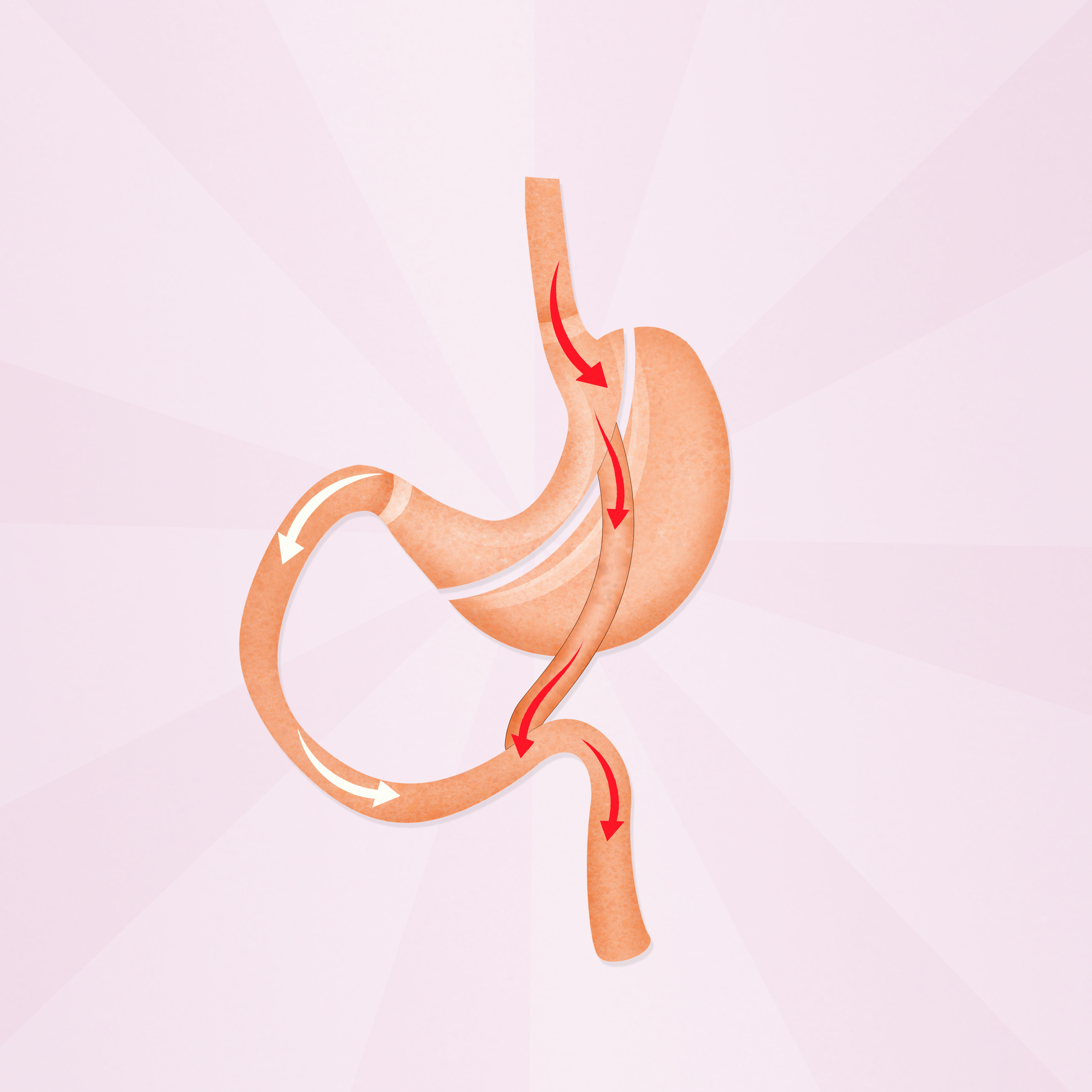
How quickly your stomach empties determines how long a tablet has to dissolve before it moves to the small intestine. Gastroparesis (slowed gastric emptying), GLP-1 medications, high-fat meals, and individual variation can all dramatically change transit time. A tablet that dissolves perfectly in 30 minutes in one person may move to the duodenum undissolved in 15 minutes in another—and pass through entirely without meaningful absorption.[10]
Which Vitamins Are Most Affected by Poor Absorption?
Not all vitamins suffer equally from these five barriers. Here is the complete bioavailability picture for the most commonly taken supplements—and what the research actually says about each.
| Vitamin / Nutrient | Standard Pill Form | Typical Pill Bioavailability | Optimal Liquid Form | Liquid Bioavailability |
|---|---|---|---|---|
| Vitamin B12 | Cyanocobalamin tablet | 1–10% (passive absorption); ~50% intrinsic factor-dependent | Methylcobalamin liquid (sublingual) | 85–98% |
| Magnesium | Magnesium oxide tablet | ~4% | Magnesium glycinate liquid | ~80% |
| Iron | Ferrous sulphate tablet | ~10–15% (with GI side effects) | Ferrous bisglycinate liquid | ~25–35% |
| Coenzyme Q10 | Standard CoQ10 capsule | ~3–5% | Liposomal liquid CoQ10 | ~40–60% |
| Curcumin | Standard capsule | <1% | Liposomal or liquid with piperine | ~20–29% |
| Vitamin C | Ascorbic acid tablet | ~70–90% (at low doses); drops at high doses | Liposomal Vitamin C liquid | ~90–98% |
| Vitamin D3 | D3 tablet (with food) | ~60–80% (fat-dependent) | Liquid D3 in oil base | ~90–95% |
| Folate (B9) | Folic acid tablet (synthetic) | ~85% (but unusable for MTHFR carriers) | Methylfolate liquid | ~95%+ (universally usable) |
| Zinc | Zinc oxide tablet | ~10–15% | Zinc bisglycinate liquid | ~40–50% |
The pattern is unmistakable: minerals and fat-soluble compounds in standard pill form are the worst offenders, with some showing single-digit bioavailability from common tablet forms. This is why so many people take magnesium tablets daily and still present with clinical magnesium deficiency—they are absorbing as little as 4% of the labelled dose. Our post on Chronic Fatigue and Vitamin Deficiencies explores how this manifests in everyday energy and wellbeing.
Vitamin B12 is perhaps the most dramatic example of bioavailability failure. The body can only absorb B12 passively (without intrinsic factor) at approximately 1–2% of the oral dose. At a standard 1,000mcg tablet dose, that means only 10–20mcg reaches your bloodstream via passive absorption. For people with low stomach acid, gastritis, or those on proton pump inhibitors—a very large portion of the population—even this small passive absorption is impaired. This is precisely why sublingual liquid methylcobalamin exists: it bypasses the stomach entirely and absorbs through the mucous membranes of the mouth.[11]
Why Liquid Vitamin Shots Bypass the Absorption Problem

Liquid vitamin formulations are not simply a more convenient version of pills. They represent a fundamentally different pharmacokinetic approach to nutrient delivery—one that is specifically engineered to reduce or eliminate each of the five absorption barriers described above.
1 No Dissolution Required
Liquid supplements are already in solution. There is no tablet to dissolve, no binder or filler to contend with, no compaction pressure that slows the release of active compounds. From the moment a liquid shot is consumed, the nutrients are already in a bioavailable form—reducing the first major loss point to near zero.
2 Sublingual & Mucosal Absorption
Perhaps the most significant advantage of liquid vitamins: they can begin absorbing through the mucous membranes of the mouth before they even reach the stomach. The sublingual route (under the tongue) allows nutrients to enter the bloodstream directly via the capillary-rich mucosal tissue—completely bypassing the stomach, intestinal wall, and crucially, the First-Pass Effect in the liver. Sublingual B12 in liquid form achieves bioavailability comparable to intramuscular injection in multiple clinical studies.[12]
3 Pre-Converted Active Forms
Quality liquid vitamin formulations use nutrients in their already-active, methylated, bioavailable forms—the forms your cells can actually use without conversion. Methylcobalamin (not cyanocobalamin). Methylfolate (not folic acid). Magnesium glycinate (not magnesium oxide). By delivering nutrients in their end-usable form, we remove the liver's conversion burden from the First-Pass process—dramatically improving the fraction that remains bioactive after hepatic transit. See our complete guide on Liquid Vitamins vs Pills: The Complete Absorption Guide for a deeper scientific breakdown.
4 Faster Absorption Kinetics
Studies comparing liquid to solid-dose formulations consistently show that liquid formulations achieve peak plasma concentrations (Cmax) 4–6 times faster than equivalent tablet doses—meaning nutrients reach your tissues sooner and at higher concentrations.[13] For energy-related vitamins like B12 and B-complex, this difference is perceptible: many people report feeling the effect of a liquid shot within 20–30 minutes, versus hours for tablet forms.
| Metric | Standard Vitamin Pills | Liquid Vitamin Shots |
|---|---|---|
| Dissolution requirement | Must dissolve in stomach (varies by quality) | Already in solution — zero dissolution needed |
| Stomach acid vulnerability | High — many vitamins degraded by acid | Low — liquid passes quickly; sublingual bypasses entirely |
| First-Pass Effect (liver) | Full exposure — large fraction metabolised | Reduced via sublingual and mucosal absorption routes |
| Nutrient form | Often synthetic (cyanocobalamin, folic acid, oxide) | Active methylated forms (methylcobalamin, methylfolate, glycinate) |
| Average bioavailability | 10–20% (many minerals <10%) | 85–98% depending on nutrient |
| Time to peak plasma level | 2–4 hours (tablet dissolution + transit) | 15–30 minutes (direct mucosal absorption) |
| GI side effects | Common (iron, magnesium oxide cause GI upset) | Minimal (gentle forms; no tablet fillers) |
| MTHFR compatibility | Poor (folic acid unusable by 40% of people) | Full (methylfolate works for all genotypes) |
The Vitamin Shots Perspective: What We Built and Why
"We built The Vitamin Shots because we were frustrated. Our clients were taking handfuls of vitamins every day and still presenting with the same deficiencies, the same fatigue, the same brain fog. When we traced the problem back, it always came to bioavailability. They were spending a fortune on supplements that weren't reaching their cells."
The science of absorption is not complicated once you understand it—but it is almost never communicated to consumers by the supplement industry. That industry is built on the sale of cheap synthetic forms in compressed tablets: cyanocobalamin, magnesium oxide, folic acid, zinc oxide. These forms are inexpensive to manufacture, have long shelf lives, and look identical on a label to their bioavailable counterparts. But they are categorically inferior at the cellular level.
Every Vitamin Shots product uses pre-converted, methylated, bioavailable nutrient forms delivered in liquid medium. We specifically choose methylcobalamin over cyanocobalamin. Methylfolate over folic acid. Magnesium glycinate over magnesium oxide. And we deliver these nutrients in a liquid shot format that begins absorbing in the mouth—giving the First-Pass Effect the least possible opportunity to intercept them. This is why our users consistently notice a difference in energy, clarity, and mood within days—not weeks—of switching from tablets to shots.
What to Look for in a Supplement — The Bioavailability Checklist
Armed with this understanding of bioavailability and the First-Pass Effect, here is a practical checklist for evaluating any supplement you're considering — whether that's one of ours or any other brand. Check our article Why Liquid Shots Are Replacing Pills in 2026 for the market context behind this shift.
Check the B12 Form
Look for methylcobalamin. If it says cyanocobalamin, it's the cheap synthetic form. Walk away.
Check the Folate Form
Look for methylfolate or L-5-methyltetrahydrofolate. "Folic acid" is synthetic and unusable by millions.
Check Magnesium Form
Magnesium glycinate, malate, or citrate — not oxide. Oxide absorbs at 4%. Not a supplement; it's a laxative.
Choose Liquid
Liquid formulations absorb 4–8x faster with dramatically higher bioavailability. No dissolution. Less First-Pass loss.
No Cheap Fillers
Avoid titanium dioxide, magnesium stearate, talc, artificial dyes, and silicon dioxide. These impair absorption.
Third-Party Tested
Look for NSF, USP, or Informed Sport certification. These verify the label matches what's in the bottle.
Take fat-soluble vitamins (A, D, E, K) with your largest meal of the day — specifically one that contains healthy fats. Without dietary fat, these vitamins cannot form the micelles needed to cross the intestinal wall, and bioavailability can drop by 50% or more regardless of the supplement form. Our Complete Vitamin Timing Guide covers exactly when to take every vitamin for maximum absorption.
If you're experiencing persistent fatigue, brain fog, or other symptoms despite regular supplementation, the issue is most likely absorption — not your diet or the dose. Read our guide on Best Vitamins for Energy & Fatigue: 9 That Actually Work to understand which forms and doses are supported by clinical evidence. And if pill fatigue is part of the picture, our post on Why Pill Fatigue Is Real — and How Liquid Shots Solve It addresses this directly.
Experience the Difference 98% Absorption Makes
The Vitamin Shots are formulated in bioavailable, methylated liquid forms — designed to maximise absorption at every stage and minimise First-Pass losses. Free Wellness App included with every subscription.
→ Track Your Absorption with the Wellness App
Understanding bioavailability intellectually is one thing—seeing how your own body responds to optimised liquid supplementation is another. The Vitamin Shots Wellness App lets you track your energy, mood, sleep quality, and cognitive performance daily—so you can actually measure what changes when you switch from pills to liquid shots. Available free on iOS and Android with any Vitamin Shots subscription.
Frequently Asked Questions
What is the First-Pass Effect in vitamins?
The First-Pass Effect is the process by which orally consumed vitamins are significantly reduced in concentration before reaching systemic blood circulation. After absorption through the intestinal wall, nutrients travel to the liver via the portal vein, where hepatic enzymes metabolise and destroy a large portion of the dose before it reaches your cells. For many vitamins in standard tablet form, this process destroys 50–90% of the active dose.
Why do vitamin pills only absorb at 10–20%?
Vitamin pills face five sequential absorption barriers: (1) they must dissolve in stomach acid, (2) they must survive acid degradation, (3) the nutrients must cross the intestinal wall via specific transport mechanisms, (4) they undergo First-Pass liver metabolism, and (5) gastric transit speed affects how much dissolves before excretion. The cumulative losses at each stage reduce many pills' effective bioavailability to 10–20% or less.
Do liquid vitamins really absorb better than pills?
Yes, significantly. Multiple pharmacokinetic studies confirm that liquid formulations achieve bioavailability of 85–98% for most nutrients, compared to 10–20% for standard tablets. Liquid supplements require no dissolution, can absorb through mucosal membranes in the mouth (bypassing the stomach and liver's First-Pass effect), reach peak plasma concentration 4–6x faster, and are formulated in active, pre-converted nutrient forms. Read our full Liquid Vitamins vs Pills absorption guide →
Which vitamins are most affected by the First-Pass Effect?
Vitamin B12 (especially cyanocobalamin), magnesium (especially oxide form), CoQ10, curcumin, iron, and zinc are the most dramatically affected by poor bioavailability and First-Pass metabolism. Vitamin C also shows non-linear absorption at higher doses. See Table 1 above for a full breakdown of standard pill vs. liquid bioavailability for each major nutrient.
What form of vitamin B12 absorbs best?
Methylcobalamin in liquid or sublingual form absorbs best. Sublingual liquid methylcobalamin bypasses the stomach, intestinal wall, and First-Pass liver metabolism entirely—achieving absorption rates of 85–98% in clinical studies. This compares to just 1–2% passive absorption from standard cyanocobalamin tablets. If you're taking B12 for energy or brain health, the form and delivery method matter more than the dose number on the label.
Why do I feel no effect from my vitamin supplements?
If you take vitamins daily but notice no effect on energy, mood, or wellbeing, poor bioavailability is the most likely explanation. You may be absorbing as little as 4–20% of the labelled dose, in a form your body cannot efficiently use, at a time of day that further impairs absorption. Switching to bioavailable liquid formulations in active (methylated) forms, taken with meals appropriate for each vitamin's absorption requirements, typically produces a noticeable difference within 2–4 weeks.
References
- Grand View Research. (2024). Dietary Supplements Market Size, Share & Trends Analysis Report, 2024–2030. grandviewresearch.com
- Toutain, P. L., & Bousquet-Mélou, A. (2004). Bioavailability and its assessment. Journal of Veterinary Pharmacology and Therapeutics, 27(6), 455–466. doi.org/10.1111/j.1365-2885.2004.00604.x
- Blom, H. J., & Smulders, Y. (2011). Overview of homocysteine and folate metabolism. With special references to cardiovascular disease and neural tube defects. Journal of Inherited Metabolic Disease, 34(1), 75–81. doi.org/10.1007/s10545-010-9177-4
- Pond, S. M., & Tozer, T. N. (1984). First-pass elimination. Basic concepts and clinical consequences. Clinical Pharmacokinetics, 9(1), 1–25. doi.org/10.2165/00003088-198409010-00001
- Wilkinson, G. R. (1997). The effects of diet, aging and disease-states on presystemic elimination and oral drug bioavailability in humans. Advanced Drug Delivery Reviews, 27(2–3), 129–159. doi.org/10.1016/S0169-409X(97)00040-9
- Anand, P., Kunnumakkara, A. B., Newman, R. A., & Aggarwal, B. B. (2007). Bioavailability of curcumin: problems and promises. Molecular Pharmaceutics, 4(6), 807–818. doi.org/10.1021/mp700113r
- Rudnic, E. M., & Schwartz, J. B. (1990). Oral solid dosage forms. In: Remington's Pharmaceutical Sciences. Mack Publishing Co.
- Biesalski, H. K., Dragsted, L. O., Elmadfa, I., et al. (2009). Bioactive compounds: Definition and assessment of activity. Nutrition, 25(11–12), 1202–1205. doi.org/10.1016/j.nut.2009.04.023
- Gropper, S. S., & Smith, J. L. (2012). Advanced Nutrition and Human Metabolism (6th ed.). Wadsworth, Cengage Learning.
- Washington, N., Washington, C., & Wilson, C. G. (2001). Physiological Pharmaceutics: Barriers to Drug Absorption (2nd ed.). Taylor & Francis.
- Kuzminski, A. M., Del Giacco, E. J., Allen, R. H., et al. (1998). Effective treatment of cobalamin deficiency with oral cobalamin. Blood, 92(4), 1191–1198. doi.org/10.1182/blood.V92.4.1191
- Sharabi, A., Cohen, E., Sulkes, J., & Garty, M. (2003). Replacement therapy for vitamin B12 deficiency: comparison between the sublingual and oral route. British Journal of Clinical Pharmacology, 56(6), 635–638. doi.org/10.1046/j.1365-2125.2003.01907.x
- Simonson, W. (2019). Differences between liquid and solid oral drug formulations. Geriatric Nursing, 40(3), 329–330. doi.org/10.1016/j.gerinurse.2019.04.006
.png)