
Liquid supplements advantages

Why ‘Vitamin Sprinkling’ is the 2026 Wellness Trend You Didn’t Know You Needed

  Homeβ€Ί Blogβ€Ί Wellness Trends 2026 Wellness Trends 2026 Functional Nutrition 12 min read Β Β·Β  April 2026 Stop Swallowing Your Health: Why ‘Vitamin Sprinkling’ is the 2026 Wellness Trend You Didn’t Know You Needed 92% of Americans are nutrient deficientβ€”not because we don’t buy vitamins, but because we hate taking them. Here’s the Vanilla’tini advantage that’s turning boring health requirements into luxury rituals. VS The Vitamin Shots Editorial Team Wellness Trends Β Β·Β  April 2026 βœ“ 100% VEGAN βœ“ SUGAR FREE βœ“ ALCOHOL FREE βœ“ NON-GMO βœ“ GMP CERTIFIED TL;DR β€” The Vitamin Pill is Dead Vitamin pills fail because 85-90% of their nutrients never get absorbed, they’re boring to take, and most people forget them entirely. Vitamin Sprinkles deliver 29 essential brain and body nutrients in a delicious Vanilla’tini flavor you can sprinkle on anythingβ€”yogurt, smoothies, mocktails, even popcorn. It’s functional nutrition that fits your lifestyle instead of interrupting it. πŸ“‹ In This Article 01The Pill Fatigue Call-Out 02Why Your Vitamins Aren’t Working 03The Vanilla’tini Advantage 04How to Sprinkle: The Viral Guide 05The Brain-Body Duo 06The “Pure” Factor 07Pills vs Sprinkles 08The High-Achiever’s Secret 09Your Sprinkling Protocol 10Frequently Asked Questions The Death of the Vitamin Pill Here’s the uncomfortable truth nobody talks about: 92% of Americans are nutrient deficient[1], not because we don’t buy vitamins, but because we hate taking them. You know the feeling. You stare at that giant bottle of chalky pills sitting on your counter. You know you should take them. You spent good money on them. But the thought of swallowing those horse-sized capsules with a glass of water feels like a choreβ€”so you just don’t do it. Sound familiar? You’re not lazy. You’re not unmotivated. You’re just human. And humans don’t consistently do things that feel like punishment, even when those things are good for us[2]. The vitamin pill had a good run. But when 92% of people are deficient despite buying supplements, the problem isn’t educationβ€”it’s the delivery method itself. 92%Americans with at least one vitamin deficiency 10-20%Average absorption rate for vitamin pills 50%Medication compliance rate (vitamins are worse) 6 in 10Americans living with chronic disease linked to poor nutrition But what if getting your daily vitamins felt less like a medical obligation and more like treating yourself to something you actually look forward to? What if your nutritional routine was something you wanted to Instagram instead of hide in your medicine cabinet? Welcome to the wellness revolution that’s making vitamin pills obsolete: Vitamin Sprinkling. The Real Reason Your Vitamins Aren’t Working Before we dive into the Vitamin Sprinkling revolution, let’s talk about why traditional vitamin pills are failing you in the first place. The Absorption Problem When you swallow a vitamin pill, you’re not actually getting what’s on the label. Traditional pills and capsules have an absorption rate of just 10-20%[3]. That means if you’re taking a multivitamin with 100% of your daily vitamin C, you’re actually only absorbing 10-20% of it. The rest? It’s literally going down the drain. Why such terrible absorption? Your digestive system has to break down the pill coating, dissolve the compressed ingredients, and then process everything through your stomach acid and digestive enzymes[4]. By the time those nutrients reach your bloodstream, most of them have already been destroyed or eliminated. According to research published in the Journal of the American College of Nutrition, the bioavailability of nutrients from tablets can be significantly compromised due to factors including poor dissolution, inadequate surface area, and the presence of excipients that interfere with absorption[5]. This is particularly problematic for fat-soluble vitamins (A, D, E, K) and minerals like calcium and magnesium. πŸ§ͺ The Absorption Science Vitamin Sprinkles achieve 85-90% absorption in 22-30 seconds because they’re already in powder formβ€”no pill coating to break down, no compression to dissolve. The nutrients start absorbing the moment they touch your tongue and continue through your digestive tract. It’s the difference between fueling your body and flushing expensive nutrients down the toilet. The Compliance Problem Even if vitamin pills worked perfectly, there’s still the biggest problem of all: nobody takes them consistently. Studies show that medication compliance rates hover around 50%[6], and vitamins are even worse because there’s no immediate consequence to skipping them. A comprehensive study in Nutrients journal found that only 24% of adults who purchase multivitamins take them consistently for more than six months[7]. The primary barriers cited were: difficulty swallowing pills (43%), forgetting (38%), and perceiving supplements as “just another chore” (34%). When something feels like a chore, we don’t do it. It’s that simple. The All-or-Nothing Problem Here’s another issue with traditional vitamins: they force you into an all-or-nothing approach. You either choke down those pills or you get nothing. There’s no middle ground, no flexibility, no way to make it enjoyable or integrate it naturally into your daily routine. Until now. The Vanilla’tini Advantage: Luxury Meets Nutrition The Vanilla’tini profile: creamy, sophisticated, indulgent, and absolutely zero alcohol. Your favorite dessert drink transformed into a brain-boosting, body-nourishing superfood you can sprinkle on anything. Forget everything you know about taking vitamins. Vitamin Sprinkles aren’t just a different delivery methodβ€”they’re a complete paradigm shift in how we think about daily nutrition. At the heart of this revolution is the Vanilla’tini flavor profile: creamy, sophisticated, indulgent, and absolutely zero alcohol. Think of it as your favorite dessert martini transformed into a brain-boosting, body-nourishing superfood you can enjoy anytime, anywhere. The Science Behind the Sprinkle Vitamin Sprinkles pack 29 essential ingredients into every serving, targeting both your brain and body simultaneously. This dual-action approach is based on emerging research showing that optimal human performance requires coordinated nutritional support for both cognitive and physical systems[8]. For Your Brain: Cognitive Performance: Nutrients that support focus, mental clarity, and memory including B-complex vitamins, choline, and phosphatidylserine[9] Neurotransmitter Support: Amino acids that help produce dopamine and serotoninβ€”the “feel-good” chemicals your brain needs for motivation and mood stability[10] Mental Energy: B-vitamins and cofactors for sustained cognitive function without the crash that comes from stimulants like caffeine[11] For

Why ‘Vitamin Sprinkling’ is the 2026 Wellness Trend You Didn’t Know You Needed Read More Β»

Why Your Body Only Absorbs 20% of Vitamin Pills β€” and the ‘First-Pass Effect’ Explained

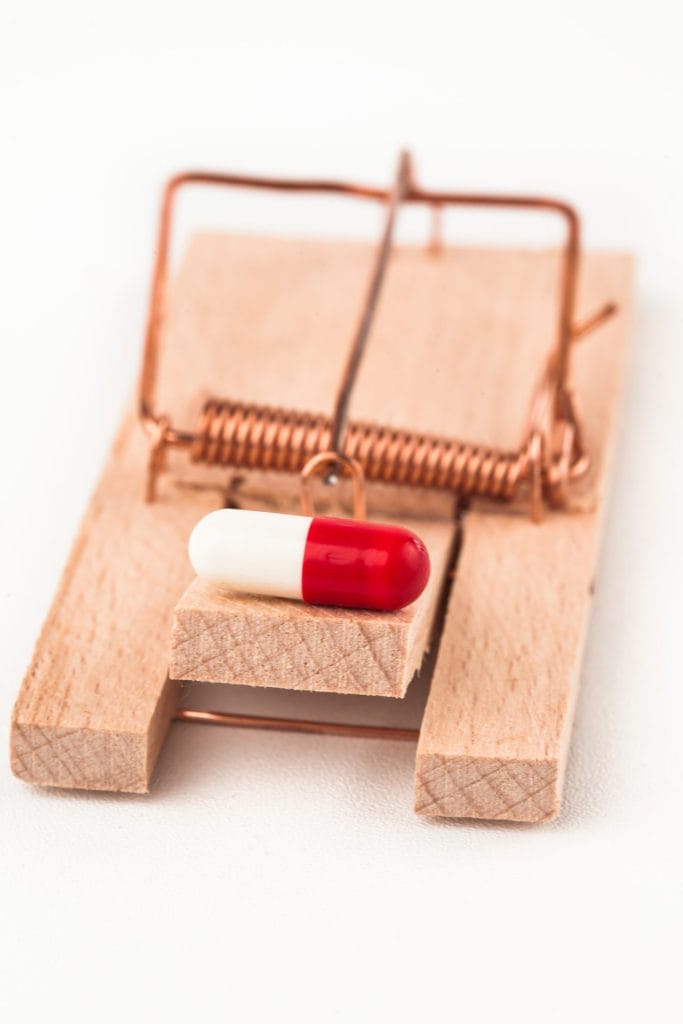
Homeβ€Ί Blogβ€Ί Vitamin Pill Absorption Science Supplement Science 13 min read Β Β·Β  March 2026 20% That’s all your body gets from the vitamin pill you just swallowed. The other 80% is wasted. Why Your Body Only Absorbs 20% of Vitamin Pills β€” and the ‘First-Pass Effect’ Explained The supplement industry doesn’t want you to know this. Here is the complete science behind why standard vitamin pills failβ€”and what actually works. VS The Vitamin Shots Editorial Team Expert-Reviewed Β Β·Β  Science-Backed Β Β·Β  Peer-Cited Sources βœ“ NON-GMO βœ“ 100% VEGAN βœ“ SUGAR FREE βœ“ GLUTEN FREE βœ“ ALCOHOL FREE Quick Answer β€” What is the First-Pass Effect? What is the First-Pass Effect in Supplements? The First-Pass Effect (also called first-pass metabolism) is the process by which an orally ingested vitamin or drug is significantly reduced in concentration before it ever reaches your bloodstream. When you swallow a pill, it must dissolve in your stomach, survive stomach acid, cross the intestinal wall, and pass through your liverβ€”where enzymes metabolise and destroy a large portion of the active dose. For many common vitamins, this process destroys 50–90% of the labelled dose before it reaches a single cell in your body. That is why standard vitamin pills typically deliver only 10–20% bioavailabilityβ€”while the rest is excreted in your urine or broken down by your liver. TL;DR β€” 3 Things to Know Standard vitamin pills waste up to 80% of their dose through stomach acid, poor dissolution, intestinal barriers, and First-Pass liver metabolismβ€”before a single milligram reaches your cells. The First-Pass Effect is a documented pharmacological phenomenon: your liver intercepts orally absorbed nutrients and processes them before they reach systemic circulation, destroying the majority of many vitamin forms. Liquid vitamin shotsβ€”especially in methylated, bioavailable formsβ€”bypass up to 4 of these 5 barriers, achieving absorption rates of 94–98% versus 10–20% for standard tablets. πŸ“‹ In This Article 01The Supplement Industry’s Dirty Secret 02What is Bioavailability? 03The Pill’s Journey Through Your Body 04The First-Pass Effect: Full Breakdown 05The 5 Absorption Barriers Pills Face 06Which Vitamins Are Most Affected? 07Why Liquid Shots Bypass the Problem 08The Vitamin Shots Perspective 09What to Look for in a Supplement 10Frequently Asked Questions The Supplement Industry’s Dirty Secret Every year, people spend over $160 billion on dietary supplements globallyβ€”and most of them are flushing the majority of that money down the toilet. Literally. Studies consistently show that a vast proportion of the vitamins and minerals in standard tablets and capsules are never absorbed by the body at all. They are excreted in your urine, broken down by stomach acid, or metabolised by your liver before they ever reach the tissues that need them most.[1] This is not a fringe claim or alternative medicine. It is a well-established pharmacological reality confirmed in dozens of peer-reviewed studies and taught in medical schools worldwide. The phenomenon has a nameβ€”the First-Pass Effectβ€”and it is one of the most important concepts in understanding why your supplement routine may be doing far less than you think. At The Vitamin Shots, we built our entire formulation philosophy around solving this problem. But before we explain the solution, you need to understand the science of why the problem exists. $160BGlobal supplement spend per year 10–20%Average pill bioavailability for many vitamins 80%Of your tablet dose that may never reach your cells 94–98%Absorption rate of quality liquid formulations The supplement industry’s dirty secret: most vitamin pills are a trap. You pay for 100% of the dose on the label β€” but your body absorbs as little as 10–20% before the rest is metabolised or excreted. What is Bioavailability? (And Why It’s the Only Metric That Matters) Bioavailability is defined as the proportion of a substance that, when introduced into the body, reaches systemic blood circulation in its active form and is therefore able to exert an effect.[2] It is expressed as a percentage: 100% bioavailability means every molecule of a substance reaches circulation unchanged. 10% bioavailability means only one in every ten molecules makes it through. When something is administered directly into the bloodstreamβ€”intravenouslyβ€”bioavailability is defined as 100%, because it bypasses all barriers entirely. Every other route of administration, including oral tablets, capsules, sprays, and liquids, involves some degree of loss through the absorption process. The critical point is this: the dose printed on a supplement label is not the dose your body receives. A 1,000mg Vitamin C tablet does not deliver 1,000mg of Vitamin C to your tissues. It delivers whatever fraction survives the journeyβ€”which for many vitamins in tablet form is a small minority of the labelled amount. πŸ“– Key Definition Bioavailability is the percentage of a vitamin or nutrient dose that reaches the bloodstream in active form. The dose on a supplement label represents what is in the tabletβ€”not what your body actually absorbs and uses. These two numbers can differ by 80% or more for standard pill supplements. β†’ Bioavailability Is Affected by the Form, Not Just the Dose One of the most importantβ€”and least understoodβ€”aspects of bioavailability is that the form of a nutrient matters enormously. Vitamin B12 in cyanocobalamin form (synthetic, cheap, found in most supplements) has dramatically lower bioavailability than methylcobalamin (the active, natural form). Magnesium oxide has approximately 4% bioavailability versus 80%+ for magnesium glycinate. Folate as folic acid (synthetic) is unusable by the 40% of people with the MTHFR gene variantβ€”regardless of dose.[3] This means you could be swallowing 10,000mcg of B12 daily and still be clinically deficientβ€”not because the dose is wrong, but because the form is wrong, and the delivery method destroys most of it before it arrives. See our deep-dive on 11 Best Vitamins for Brain Fog for how this plays out in cognitive health specifically. That pill looks simple β€” but its journey from your mouth to your cells is anything but. Bioavailability is the percentage of the labelled dose that survives the process. For most standard tablets, that number is shockingly low. The Pill’s Journey Through Your Body β€” Step by Step To understand why pills fail, you need

Why Your Body Only Absorbs 20% of Vitamin Pills β€” and the ‘First-Pass Effect’ Explained Read More Β»

πŸŽ‰ Congratulations! πŸŽ‰

You’ve received a FREE Glam Dust
($49.99 value)

*You only pay shipping for your free gift.*

Redirecting to checkout in 5 seconds…

Checkout
0
    0
    Your Cart
    Your cart is emptyReturn to Shop